Thinking about selling your Center Hill Lake home but not sure where to start? Waterfront sales have extra layers, from dock permits to septic records, and the right prep can add real value. You want a smooth sale, clear guidance, and a strong marketing plan that reaches the right buyers. This guide walks you through the practical steps, paperwork, timing, and visuals that help DeKalb County lake homes shine. Let’s dive in.
What buyers look for on Center Hill Lake
The lake lifestyle sells, but details matter. Buyers want to understand how they will access the water, the condition and status of the dock, and whether the shoreline is safe and stable. They also want confidence in septic and utilities that support lake living.
Primary buyer groups include second-home buyers, retirees and empty nesters, local full-time residents, and investor buyers where allowed. Speak directly to lifestyle and convenience, highlight recreation, and be clear about your type of water access.
- Type of access: private dock, shared dock, community ramp, or deeded easement.
- Dock condition: safe, serviceable, and inspected docks increase confidence.
- Shoreline health: stabilized, well-kept banks with preserved native buffers.
- Systems: up-to-date septic and clear records for wells, pumps, and any dock power.
Permits, docks, and compliance
Selling a lake home in DeKalb County means aligning your property story with the rules that protect the shoreline and the reservoir.
- Confirm USACE oversight. Center Hill Lake is managed by the U.S. Army Corps of Engineers, Nashville District. Contact the Center Hill Lake project office to confirm whether your dock, boathouse, or any shoreline work requires a permit, lease, or authorization. Gather any existing paperwork.
- Check county and state permits. DeKalb County manages building permits and septic approvals in unincorporated areas, and some municipalities have their own rules. The Tennessee Department of Environment and Conservation covers water quality and some shoreline stabilization. If you have erosion control, riprap, or a seawall, verify permits and keep contractor invoices ready.
- Know your flood zone and insurance. Some shoreline parcels are in FEMA flood zones, and lenders may require flood insurance. Confirm your property’s status early, and assemble your flood insurance policy details and any claims history for buyers.
- Be transparent about unpermitted work. Material facts about docks, power to docks, and shoreline structures must be disclosed. If something lacks documentation, start the remediation process now and keep a record of your communications.
Prep your property for market
Shoreline and dock checklist
Your shoreline and dock are often the first value drivers a buyer assesses.
- Show clear, safe water access. Define exactly how buyers get to the water and highlight any steps, paths, or ramps.
- Inspect the dock. Review decking, cleats and bumpers, flotation, railings and stairs, and any power to the dock or lift. Repair safety issues and disclose age and condition.
- Preserve sightlines thoughtfully. Trim invasive or overgrown shrubs to showcase views, while keeping healthy native buffers that reduce erosion and look natural.
- Address erosion and hazards. If you see washouts, consult a licensed marine or shoreline contractor and confirm permit needs before work. Remove tripping hazards and secure loose boards and railings.
Septic, water, and utilities
- Septic: A pre-listing septic inspection is highly recommended. Provide pumping and maintenance records, and address any marginal findings in advance.
- Wells and water: Share well depth, pump service records, and any water quality tests, if available.
- Dock power and mechanicals: Keep permits and inspection documents for any electricity to a dock, boathouse, or lift.
Seasonal maintenance
- Spring and summer: Repair and clean the dock, refresh stain or paint on decks, tidy paths, and mow carefully near the shoreline while respecting native vegetation.
- Fall: Remove leaves near the water to prevent buildup, and plan dock maintenance before colder weather.
- Winter: Focus on interiors and comfort. If exterior shots are less appealing, plan for interior photography that captures long lake views through bare trees.
Photography and listing timing
The right visuals help buyers imagine the lifestyle. Aim for professional photography, and consider adding drone footage and video or 360 tours for remote buyers.
- Seasonal strategy: Late spring through early fall often produces the most compelling exterior photos. Supplement with winter interiors for long views and fall foliage for color and calm water.
- Shot list essentials:
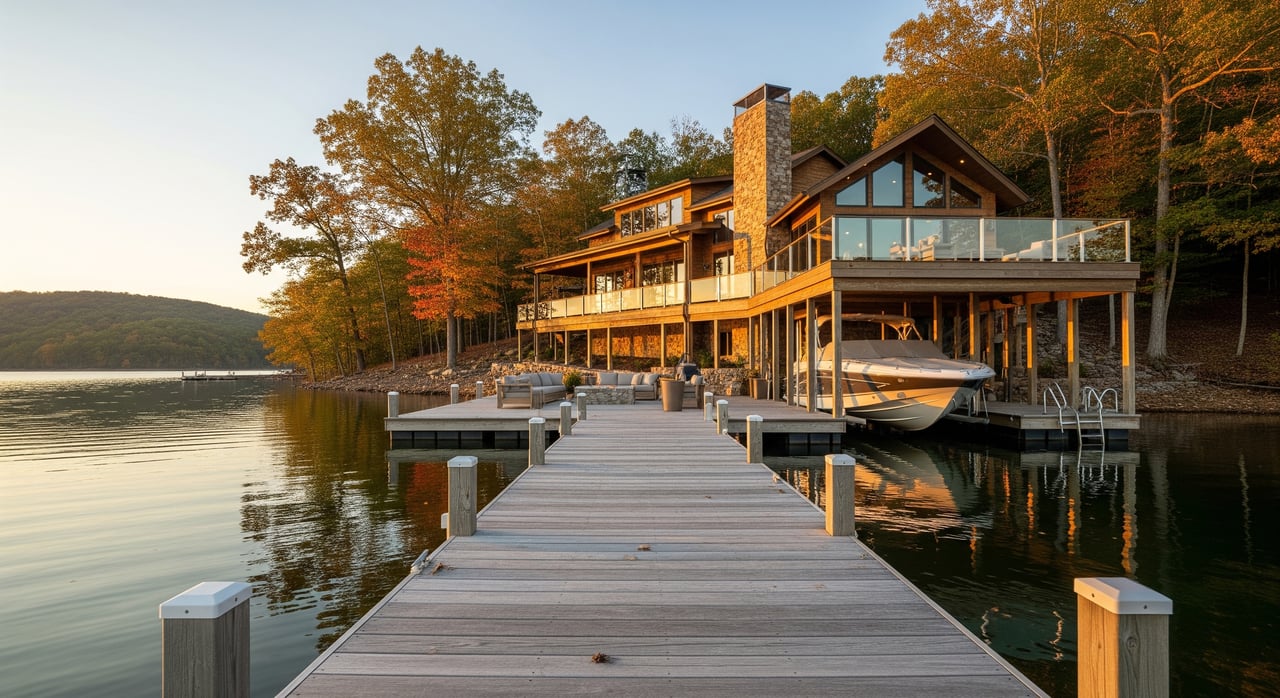
- A wide exterior that shows the home with lake context.
- Dock and boat slip close-ups, including condition details.
- Views from main living areas toward the water.
- Aerials that clarify water access, proximity to marinas or ramps, and parcel layout.
- Twilight shots if the home and dock lighting create an inviting scene.
- Interior highlights, including the kitchen, primary suite, and walkout levels.
- Professional production: Use a real estate photographer and a licensed, insured drone operator who understands USACE-regulated areas.
Positioning and marketing for the right buyers
Center Hill Lake buyers often start their search online and may live within a one to two hour drive. Meet them with clear information and strong visuals.
- Highlight the type of water access and permitted status of dock or shoreline structures.
- Note nearby public facilities like boat ramps, marinas, parks, and access to town amenities and highways.
- Use the regional MLS fields for dock details and water access. Promote virtual tours and drone footage to attract out-of-area buyers.
- Consider listing in late winter or early spring so you are visible as boating season ramps up. Offer flexible showing windows, including weekends.
Documents to assemble before listing
Gathering the right paperwork up front reduces surprises during inspections and contingencies.
- Property and title
- Deed and legal description, noting riparian rights if applicable.
- Recent survey showing shoreline, dock, easements, and parcel boundaries.
- Property tax records and any recent appraisal.
- Dock, shoreline, and construction
- USACE permits, leases, or authorizations for dock or shoreline structures.
- Local building permits and contractor invoices for dock, stabilization, boathouse, or major repairs.
- Notes on any unpermitted work with steps taken toward remediation.
- Utilities and systems
- Septic inspection and maintenance records, and any recent pumping or repairs.
- Well tests and pump service records, if applicable.
- Electrical permits for dock or boathouse power.
- Any recent home inspection and a list of known issues for disclosure.
- Insurance and hazards
- Flood insurance policy and premium details.
- Homeowner policy and loss history.
- Any claims or mitigation work related to floods or storms.
- HOA or community
- CC&Rs, dock association agreements, and any rules regarding rentals or dock use.
Who to contact early
- USACE Nashville District, Center Hill Lake project office for dock and shoreline questions.
- DeKalb County Building and Planning and Environmental Health for permits and septic.
- Licensed marine and dock contractor for condition assessments and repair estimates.
- Licensed surveyor to verify boundaries to the waterline and any easements.
- Certified septic inspector and well or water testing professionals.
- Professional real estate photographer with licensed and insured drone capability.
- An experienced local agent with Center Hill Lake transactions.
When choosing professionals, confirm licensing, insurance, and specific experience with lake properties and permitting.
Your step-by-step plan
- Confirm permits and status. Call the USACE project office to verify dock or shoreline authorizations. Check DeKalb County and TDEC for any needed permits. Identify anything that needs remediation.
- Assess the dock and shoreline. Hire a licensed dock or marine contractor to review safety, structure, flotation, and anchoring. Repair hazards and document updates.
- Inspect septic and gather records. Book a certified inspection, address issues, and compile maintenance history. Include well and water documentation if applicable.
- Verify flood zone and insurance. Confirm FEMA status and assemble flood policy details and claims history.
- Prepare for photography. Handle exterior touch-ups, trim vegetation thoughtfully, and schedule a pro photographer and drone operator for optimal seasonal light.
- Clarify your buyer story. Decide whether to lead with second-home convenience, retiree-friendly features, or full-time living benefits. Be clear about access, dock details, and nearby amenities.
- Go to market with a plan. Use MLS water access fields, feature drone and video, and align your launch with seasonal buyer demand.
Selling a lake home is part preparation, part storytelling, and part compliance. With a clear process, complete documentation, and compelling visuals, you set the stage for a confident buyer and a stronger offer.
Ready for a tailored plan for your Center Hill Lake property? Schedule a listing consult to review your permits and documents, set a pricing and timing strategy, and coordinate trusted local vendors. Get in touch with C&S Residential to start a lake-smart sale that fits your goals.
FAQs
Do Center Hill Lake docks need permits when selling?
- Yes. Center Hill Lake is managed by the USACE Nashville District. Confirm whether your dock, boathouse, or shoreline work requires permits or leases, and gather existing documents before listing.
How important is dock condition to buyers on Center Hill Lake?
- Very important. A safe, inspected dock boosts confidence and value, while an older or unusable dock often becomes a negotiation point or price adjustment.
Should I get a septic inspection before listing a DeKalb County lake home?
- Yes. A pre-listing septic inspection reduces surprises, speeds up negotiations, and helps support your asking price if the system is in good condition.
What if my dock or shoreline work was never permitted?
- Disclose it. Start remediation early and document your communications with USACE, DeKalb County, and any contractors. Timelines can range from weeks to months depending on scope.
Are short-term rentals allowed for Center Hill Lake homes?
- It depends. Rules vary by DeKalb County, local municipalities, and HOAs. Confirm current regulations and disclose any existing rental arrangements during the listing process.