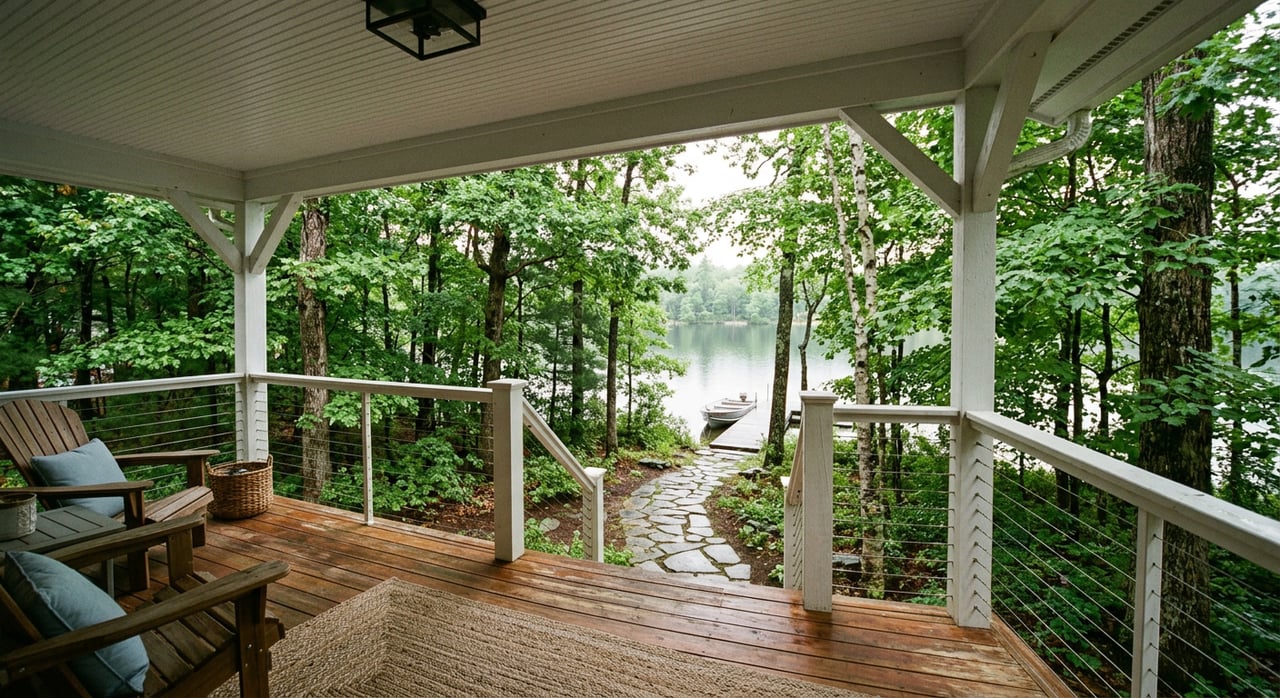
Morning coffee on the deck, boats tracing gentle wakes, and evenings that stretch long and soft over the water. If you are considering a home on Center Hill Lake in DeKalb County, you probably picture that rhythm already. You also want a clear grasp of seasons, costs, shoreline rules, and what daily life really looks like. This guide gives you the practical details you need, from weather and water levels to budgeting, docks, and marina access. Let’s dive in.
Life on Center Hill through the seasons
Lake living is seasonal, and Center Hill’s calendar sets the pace for your days and budget.
Climate at a glance
Expect hot, humid summers and generally mild winters. Using Upper Cumberland climate normals as a local proxy, average highs run from about 47°F in January to roughly 87°F in July, with around 60 inches of annual rainfall. These patterns shape everything from boating plans to yard work and dock maintenance. You can review the regional climate normals for more detail from the National Centers for Environmental Information.
- Peak water play is late spring through early fall. Boating, fishing, and swimming are prime from May to September.
- Spring and fall are comfortable for hiking and quieter weekends. Rental demand is often steadier and more affordable in the shoulder seasons.
- Winter slows down, but many marinas and day-use areas remain open. You still get crisp lake views and peaceful trails when the leaves drop.
For planning, start with the Corps’ public recreation info for Center Hill Lake and your preferred marina’s operating hours.
Water levels and daily operations
Center Hill is a U.S. Army Corps of Engineers lake with a hydroelectric generation schedule. Water levels and flows are managed for flood control, power production, and recreation. Generation can affect flows below the dam and sometimes launch timing. Before a big boating weekend, check the Corps’ Center Hill Lake page for operations updates and your marina’s advisories for ramp or slip logistics.
Shoreline use is also regulated. The Corps’ Shoreline Management Plan sets the rules for private docks, moorings, and permitted activities along the water’s edge. If a property has a dock, you will want to confirm its permit status and whether it is transferable.
What it costs to own on Center Hill
Buying a lake home includes normal ownership expenses plus a few lake-specific line items. Here is how to build a realistic budget.
Purchase price snapshot
DeKalb County offers a wide range of prices by proximity to the lake, home size, and condition. Recent aggregator data shows a county-level median sold price of about 292,000 dollars as of mid 2025, with values varying for waterfront or updated properties. Always verify current comps and lake-specific premiums with fresh market data.
Property taxes and permitting
- Property taxes. The Assessor establishes values and the Trustee handles billing and collection. Tax bills are typically mailed in October, with payments accepted from October through February. Check the current assessed value, local millage, deadlines, and any exemptions that might apply.
- Building and permits. DeKalb County requires site plans and septic approval or sewer verification for building permits. The county does not have countywide zoning, but HOA covenants, the Corps’ shoreline rules, and subdivision restrictions can still govern what you do. Review the county’s building department requirements before planning additions or major renovations.
Utilities and energy
- Electricity. Tennessee’s average residential electricity price is typically around 10 to 11 cents per kWh. Your exact rate and provider depend on location, with a mix of municipal systems in town and TVA-served cooperatives in rural areas. Ask about connection fees and typical monthly usage for the home you are considering.
- Water and sewer. Many lake-area homes rely on private wells and septic systems. Others tie into local utility districts or city systems. Confirm the specific utility service for your parcel during due diligence and plan for septic inspections if applicable.
Insurance and flood considerations
- Homeowners insurance. Tennessee premiums often land in the mid-low thousands annually, but your rate depends on construction type, age, roof condition, coverage limits, and claims history. Compare multiple carriers, paying close attention to wind and hail deductibles.
- Flood insurance. FEMA’s Risk Rating 2.0 changed how premiums are calculated, which means pricing can vary widely by elevation and distance from water. National averages have hovered around the low 800 to 1,000 dollar range in recent years, but shoreline properties may price higher. Pull FEMA flood maps, ask your lender about requirements, and request NFIP and private-flood quotes early in your process.
Ongoing home and lakeside maintenance
Owning near the water often raises your upkeep game. Plan for:
- HVAC servicing, roof inspections, and pest or termite treatment. Tennessee has active termite risk, so routine prevention matters.
- Septic pumping and drainfield care if not on sewer. Confirm system age and maintenance history with the seller.
- Driveway and private road maintenance, especially if your access includes gravel or shared easements.
- Dock and shoreline upkeep. Verify the dock’s permit under the Corps SMP before budgeting repairs or upgrades. Costs vary widely by size, materials, and lift systems, so request site-specific quotes.
- Landscaping and winterization. Wind and water exposure can add wear to railings, decking, and exterior finishes.
Boat ownership and storage
If boating is part of your plan, factor in annual costs for insurance, fuel, maintenance, winterization, and registration. For many small to midsize recreational boats, yearly ownership expenses often reach into the low to mid thousands. Slip or storage fees vary by marina and boat length. Call nearby marinas early to compare wet slips, dry stack, and off-season packages.
Docks, marinas, and access
Getting on the water should be easy from your front door. Here is how to think about access.
Understanding dock rules on Corps lakes
On Center Hill Lake, private shoreline use and docks fall under the Corps’ Shoreline Management Plan. Before you count on a dock, confirm:
- Whether a permit exists and is in good standing.
- If the dock and rights are transferable at sale.
- Size limits, boathouse restrictions, and any special shoreline designations.
Your agent should request shoreline permit records and help you contact the Resource Manager’s Office if documents are missing.
Marina options around the lake
Center Hill features a ring of public boat ramps and commercial marinas, including well-known operators like Center Hill Marina, Hurricane Marina, Edgar Evins Marina, Hidden Harbor Marina, Four Seasons Marina, Sligo Resort & Marina, Pates Ford Marina, and Horseshoe Bend Marina. Many offer fuel, pump-out, rentals, ship stores, and restaurants. Use a current lake map to visualize the marinas in relation to the home you are considering and plan your launch or slip routine.
Private dock vs. marina slip
Both paths work. The right choice depends on convenience, cost, and maintenance appetite.
Private dock
- Pros: walk-to-boat convenience and quick access for sunrise or sunset runs.
- Cons: requires a valid Corps permit, owner maintenance, and potential replacement costs. SMP rules can limit size and configuration.
Marina slip
- Pros: lower maintenance burden, access to services like fuel and pump-out, and better security in busy seasons.
- Cons: annual slip fees and potential waitlists. Off-season storage may be separate.
Smart buying checklist
Use this list to keep your search focused and thorough.
Verify shoreline status and permits. Ask for the Corps shoreline permit file for any existing dock, and confirm if rights transfer on sale.
Review flood risk early. Pull FEMA flood maps for the parcel and request an elevation certificate if needed. Get quotes for NFIP and private-flood coverage so you understand lender requirements and premiums.
Collect the right seller documents. Request septic inspection and maintenance records, well logs, any dock or shoreline permits, a survey showing the shoreline boundary, and recent inspection reports.
Confirm county permitting history. Talk with the DeKalb County Building Department about past permits and septic or sewer approvals. Ask the Assessor and Trustee how reappraisal and tax timelines could affect your budget.
Call local marinas. Ask about slip availability, guest parking, and winterization packages. If a private dock needs work, get vendor quotes before you commit.
Visit in multiple seasons. Check access routes, parking, and boat-ramp traffic in peak summer and during shoulder seasons. Walk the property after a heavy rain to note drainage and shoreline conditions.
Is a Center Hill home right for you?
If you love easy access to water, flexible year-round recreation, and scenic privacy, Center Hill Lake is compelling. The tradeoff is a bit more structure in your ownership plan. You will need to track permits, keep up with maintenance, and budget for boat or marina costs. The reward is a home base that can shift with the seasons, from lively summer weekends to quiet winter mornings with glassy views.
When you are ready to align lifestyle, budget, and shoreline rules, our team can help you compare properties, evaluate access, and plan smart upgrades. If you want design guidance before listing your current place or renovating your new lake home, we can help you prioritize the right projects.
Ready to explore lake living with local guidance you can trust? Connect with the team at C&S Residential to start a thoughtful, well-planned search.
FAQs
When is the best season to tour Center Hill Lake homes?
- Late spring through early fall shows peak boating activity and noise patterns, while a second visit in fall or winter helps you assess off-season access and views.
What should I know about docks on Center Hill Lake before buying?
- Docks require compliance with the Corps’ Shoreline Management Plan, so verify an existing permit, transferability, and any size or structure restrictions.
Do DeKalb County lake homes require flood insurance?
- It depends on location and elevation, so pull FEMA flood maps, ask your lender about requirements, and obtain NFIP or private-flood quotes early.
How do utilities typically work for lake homes near Smithville?
- Many homes use electric service from municipal or cooperative providers and rely on wells and septic, so confirm service providers and septic status for your parcel.
What annual costs should I expect to own a small boat on Center Hill?
- Budget several thousand dollars per year for insurance, fuel, maintenance, winterization, and registration, plus marina slip or storage fees that vary by operator and boat size.