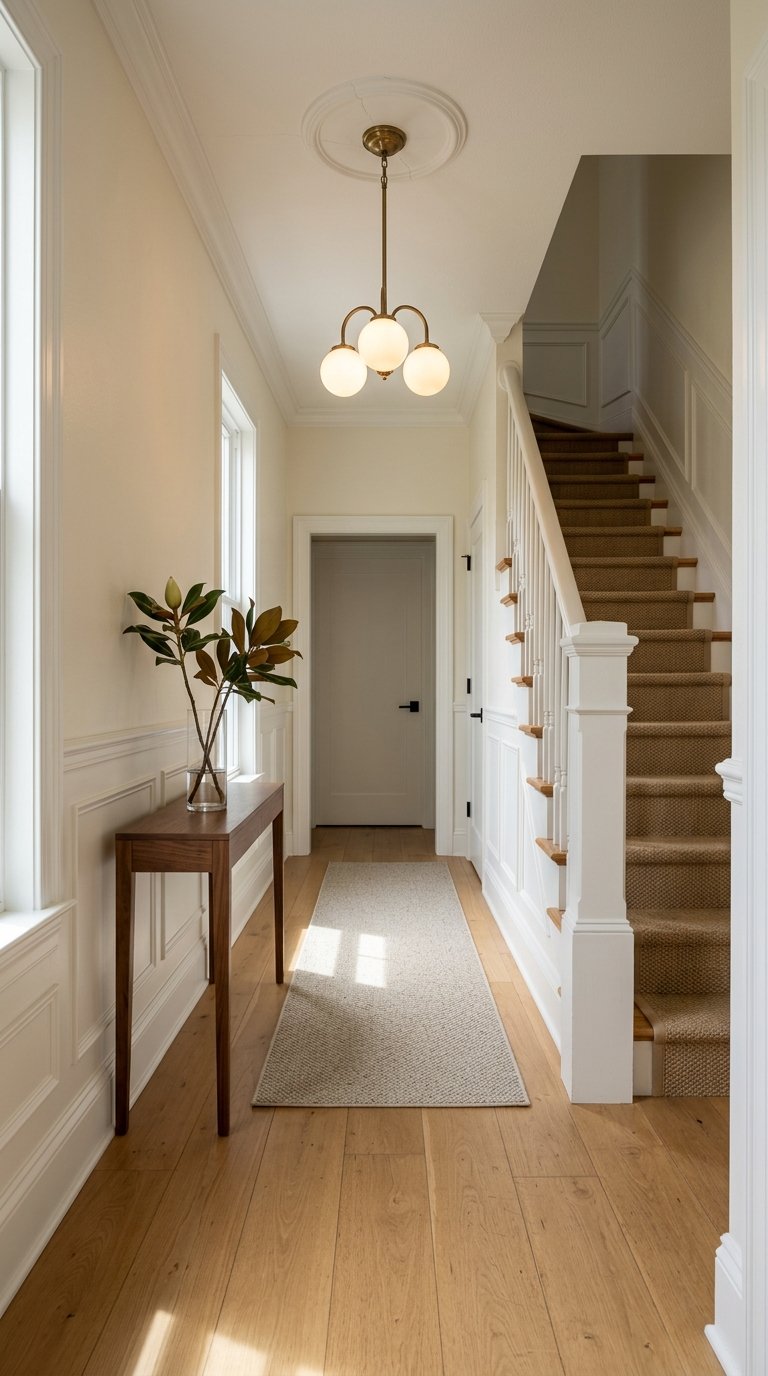
Thinking about renovating before you sell? In Franklin and Columbia, the right updates can help your home show better, attract stronger interest, and support your asking price, but the wrong ones can drain time and money fast. If you are preparing to list, especially in or near historic areas, it helps to know which projects tend to pay off and which ones deserve a second look. Let’s walk through the pre-sale renovations that usually make the most sense, along with a few local factors you should keep in mind.
Why local pricing matters
Not every renovation decision should be made the same way in Franklin and Columbia. According to Redfin’s Franklin housing market data, Franklin had a median sale price of $835,000 in March 2026, while Columbia was at $392,000. Homes also moved at different speeds, with Franklin averaging 66 days on market and Columbia averaging 121 days.
That gap matters when you set a renovation budget. In Franklin, sellers can often support a slightly higher finish level because nearby pricing may justify it. In Columbia, tighter spending is usually the safer path, since over-improving beyond neighborhood price support can make it harder to recapture your costs.
Start with paint and presentation
If you only do one thing before listing, paint is often the best place to start. In the 2025 NAR Remodeling Impact Report, REALTORS most often recommended painting the entire home before selling, and painting one room was also a common suggestion. That lines up with what many buyers want today, since NAR also found that 46% of buyers are less willing to compromise on a home’s condition.
Fresh paint helps your home feel cleaner, brighter, and better cared for. It also gives buyers a neutral backdrop so they can focus on the home itself instead of visual distractions. For most sellers, this is one of the simplest ways to improve first impressions without taking on a major remodel.
Where paint helps most
Paint usually has the biggest impact in areas buyers notice right away:
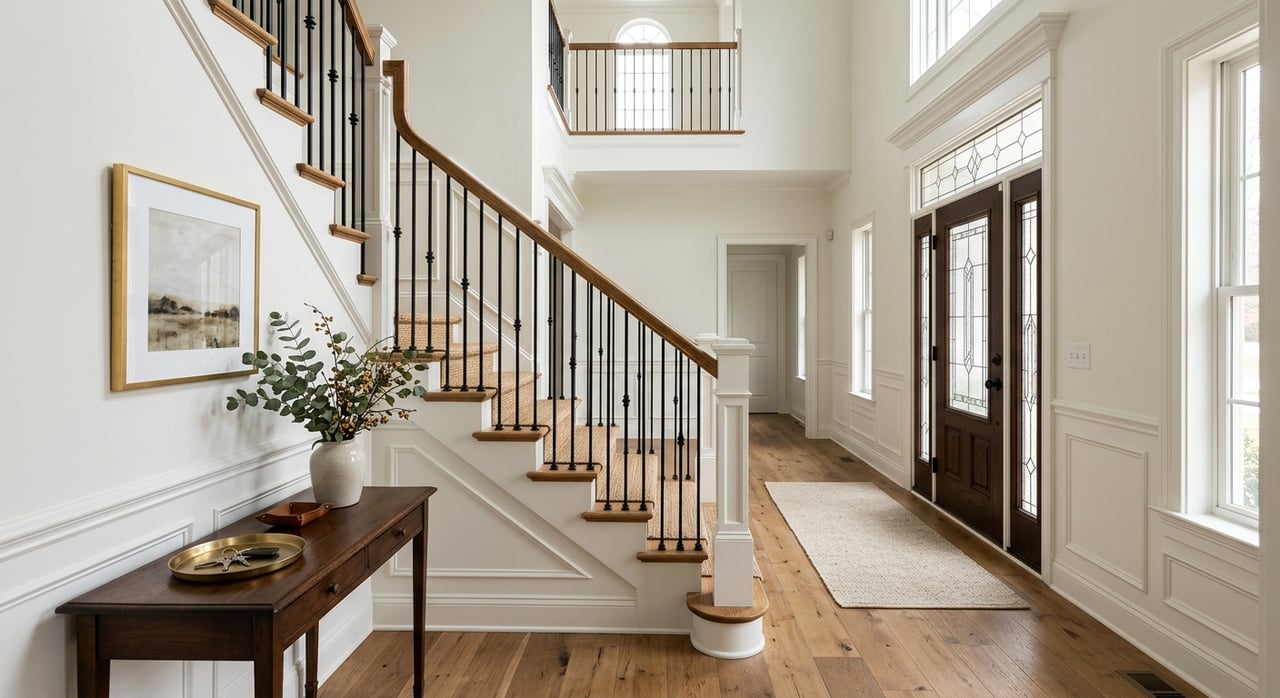
- Entry spaces
- Main living areas
- Kitchens
- Bathrooms
- Primary bedrooms
- Trim and doors that show wear
If your home has bold colors, patchy touch-ups, or years of normal scuffs, a fresh coat can make the whole property feel more market-ready.
Focus on high-visibility upgrades
The projects that tend to support resale are not always the biggest ones. NAR’s cost-recovery rankings showed especially strong returns for a new steel front door (100%), a closet renovation (83%), and a new fiberglass front door (80%). Other strong performers included new vinyl windows (74%) and wood windows or a basement conversion (71%) based on the same NAR report.
The pattern is clear. Buyers often respond best to visible improvements that make a home feel polished, functional, and easy to move into. That usually means practical updates with broad appeal, not highly customized changes.
Best pre-sale updates to consider
If you want to spend carefully, these are often the first places to look:
- Front door replacement or refresh
- Interior paint
- Closet organization improvements
- Window updates where appropriate
- Minor kitchen and bath cosmetic updates
- General curb appeal improvements
- Lighting as part of an overall cosmetic refresh
In many cases, these projects help buyers feel the home has been maintained. That confidence can matter just as much as the renovation itself.
Refresh kitchens and baths carefully
Kitchens and bathrooms still matter, but most sellers do not need a full redesign before listing. NAR gave a kitchen upgrade a Joy Score of 10, and buyer interest in kitchen and bath improvements remains strong. Even so, the highest cost recovery in the report still came from smaller, more visible projects rather than expensive custom remodels.
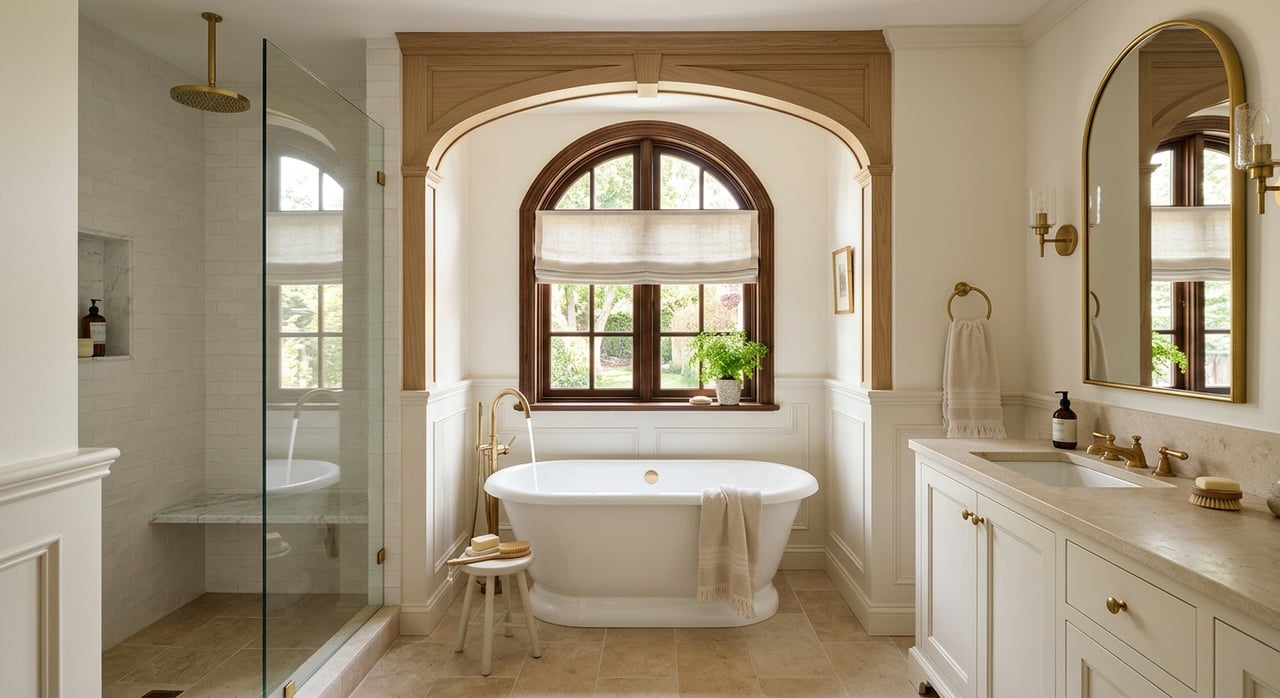
That is why a refresh is often the better pre-sale strategy. Think neutral finishes, clean surfaces, updated hardware, improved lighting, and simple cosmetic fixes that help the space feel current and functional. You want buyers to see a well-kept home, not wonder why they are being asked to pay for someone else’s highly personal design choices.
Smart kitchen and bath refresh ideas
Before listing, consider updates like these:
- Repainting cabinets if they are worn
- Replacing dated hardware
- Updating light fixtures as part of the overall refresh
- Re-caulking tubs, showers, and sinks
- Repairing visible wear on counters or trim
- Improving storage presentation and cleanliness
These changes are often enough to lift the room without pushing you into a full renovation budget.
Be cautious with major additions
If your goal is resale, large-scale projects usually deserve extra scrutiny. In NAR’s 2025 data, a new primary suite recovered 54% of cost and a bathroom addition recovered 56%. Attic and basement conversions performed better, but still generally landed in the 67% to 71% range.
That does not mean these projects never make sense. It simply means they are less efficient if you are renovating mainly to prepare for a sale. In most cases, sellers are better served by improving what already exists instead of adding major square footage or taking on complex structural work.
Historic rules can affect your plan
In downtown Franklin, exterior work is not just a design choice. The Downtown Franklin Historic District design guidelines note that the Historic Zoning Commission reviews exterior alterations based on district standards. Those guidelines cover visible work such as windows, siding, masonry changes, roofing, awnings, unpainted masonry, and site elements like fences and lighting.
Columbia sellers should be just as careful in historic areas. The City of Columbia Historic Zoning Commission states that new construction, demolition, and exterior alterations that require a permit or change the exterior appearance must be reviewed before work begins. The city also notes that compatible roof, siding, window, and door replacements are treated as minor projects, while routine maintenance does not require design review.
What this means for sellers
If your home is in a historic district, exterior updates may take more planning than expected. Even a project that seems straightforward can become more expensive or slower once approvals, materials, and review requirements are involved.
Before you commit to any exterior work, make sure you understand:
- Whether your property falls within a historic district
- Whether the project changes exterior appearance
- Whether permits or commission review are required
- Whether replacement materials need to meet local guidelines
This is especially important for windows, roofing, siding, masonry, doors, fencing, and exterior lighting.
Match the finish level to the market
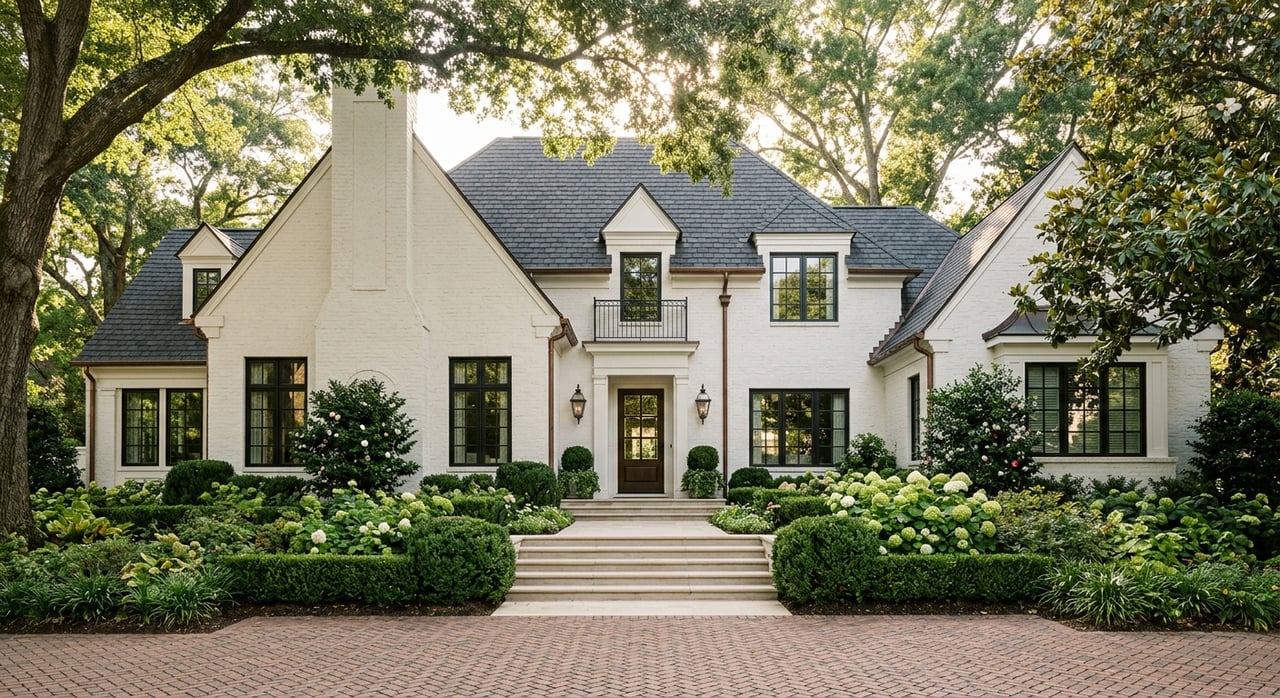
A pre-sale renovation should make sense for your specific home, your price point, and your likely buyer pool. In Franklin, where pricing is higher, buyers may expect a more polished presentation, especially in historic or architecturally distinctive homes. That can justify a slightly more refined cosmetic plan.
In Columbia, where the median sale price is lower and homes are taking longer to sell on average, budget discipline becomes even more important. In many cases, the best move is to focus on clean, visible, broadly appealing improvements and avoid overspending on upgrades that nearby sales may not support.
Budget for delays and hire carefully
Even small renovation plans can take longer than expected. In the NAR Remodeling Impact Report, only 37% of consumers said their remodeling job finished on time, while 31% said it took longer than planned. That is a good reminder to build extra time into your listing schedule.
Contractor selection matters too. NAR’s consumer guide to hiring a remodeling contractor recommends interviewing at least three contractors, gathering bids, verifying licensing and insurance, and confirming who will handle permits and approvals. The guide also warns against vague contracts, excessive allowances, and large upfront payments before completion.
A simple pre-sale renovation checklist
Before work starts, make sure you:
- Identify the updates buyers will notice most.
- Set a budget that fits your local price point.
- Confirm whether exterior changes need historic review.
- Interview multiple contractors.
- Get clear written bids and timelines.
- Leave room for delays and added costs.
- Prioritize projects with broad resale appeal.
A steady, well-planned approach usually beats an aggressive renovation spree right before listing.
The goal is confidence, not overbuilding
The best pre-sale renovations do not try to reinvent your home. They help buyers see a property that feels cared for, functional, and easy to say yes to. In Franklin and Columbia, that usually means starting with paint, focusing on high-visibility cosmetic improvements, refreshing kitchens and baths without over-customizing, and being very careful with exterior work in historic areas.
If you are deciding what is worth doing before you sell, it helps to have a plan that fits both the market and the character of your home. C&S Residential can help you think through smart pre-sale updates with a design-minded, local perspective so you can prepare with confidence.
FAQs
What pre-sale renovation gives the safest return in Franklin and Columbia?
- Painting is one of the safest pre-sale updates because it is widely recommended, relatively cost-effective, and helps a home feel fresh, clean, and move-in ready.
Should you renovate a kitchen before selling a home in Franklin or Columbia?
- In many cases, a light kitchen refresh is a better choice than a full remodel, especially if your goal is resale rather than long-term personal use.
Are major additions worth it before selling in Franklin or Columbia?
- Usually, sellers should be cautious, since NAR data shows lower cost recovery for major additions like primary suites and bathroom additions than for smaller visible upgrades.
Do exterior renovations in downtown Franklin need approval?
- In many cases, yes, because the Downtown Franklin Historic District guidelines say exterior alterations are reviewed by the Historic Zoning Commission under district standards.
Do Columbia historic district homes need review for exterior changes?
- Yes, exterior alterations that require a permit or change exterior appearance must be reviewed before work begins in Columbia’s historic districts.
How should you budget for pre-sale renovations in Franklin versus Columbia?
- Franklin sellers can often support a somewhat higher finish level, while Columbia sellers are usually better served by tighter budgets and updates that align closely with nearby home values.