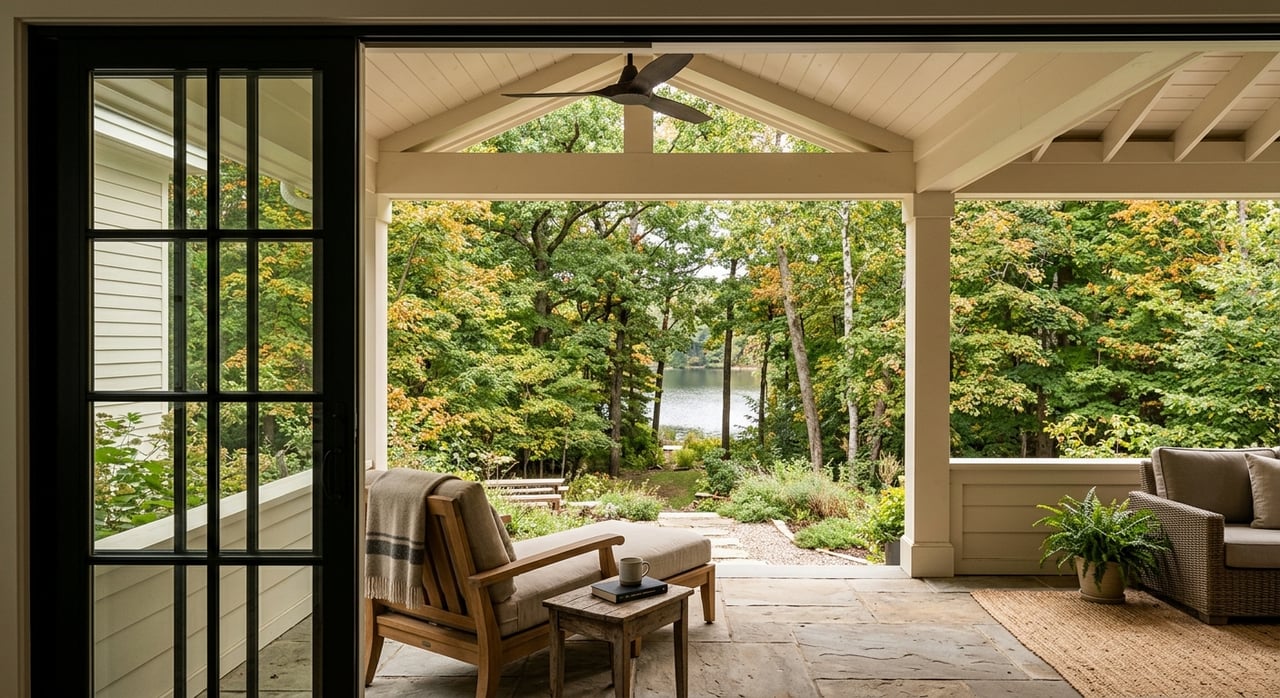
Dreaming about a place on Center Hill Lake? Your first lake home purchase can feel exciting and a little tricky at the same time, especially if you are used to shopping for homes in more typical neighborhoods. Around Center Hill Lake in DeKalb County, the details that matter most often go beyond square footage and finishes. You also need to understand shoreline rules, access, utilities, terrain, and long-term upkeep. This guide will walk you through the big issues first-time buyers should know before making an offer. Let’s dive in.
Know the Center Hill Lake market
Center Hill Lake is a large reservoir managed by the U.S. Army Corps of Engineers on the Caney Fork River. It spans parts of DeKalb, Putnam, White, and Warren counties, with a long recreation season, nine commercial marinas, and multiple Corps access areas. It is also a large and varied market, not one uniform stretch of waterfront.
USACE describes the lake as 64 miles long with 415 miles of shoreline at flood pool. That scale matters when you begin your search. A home near one cove or marina may offer a very different ownership experience than a property in another part of the lake.
Understand what “lakefront” can mean
One of the biggest surprises for first-time buyers is that lakefront does not always mean easy walk-out water access. USACE says the shoreline includes slopes of 20 to 30 percent, along with sheer bluffs, gravel, rubble, boulders, and limestone bluff areas. In practical terms, many homes are hillside or bluff properties rather than flat lots with a gentle shoreline.
That means your buying decision should include more than the home itself. You will want to look closely at driveway grade, drainage, retaining walls, stair access, and how you would actually get from the house to the water. On Center Hill Lake, the lot can shape your daily experience just as much as the floor plan.
Common property types you may see
As you shop in DeKalb County, you will likely come across a few common categories:
- Bluff or hillside homes with elevated views and steeper site conditions
- Existing-dock properties where dock status needs careful review
- Marina-access properties that rely on nearby marina services rather than private shoreline use
- Off-water homes that still support a lake lifestyle because of proximity to marinas and public access areas
Each option can work well. The right fit depends on whether you want private shoreline features, lower maintenance, easier access, or a simpler second-home setup.
Verify dock rights before you assume anything
If a listing mentions a dock, slow down and verify exactly what is included. On Center Hill Lake, private shoreline use is managed for public benefit, and private use of public property is limited. That means a home’s proximity to the water is not the same thing as having full control over the shoreline.
This is especially important because Center Hill shoreline materials say no new permits for private floating facilities were adopted, and only grandfathered private privileges remain. The same materials also state that grandfathered permits are not transferable or reassigned, can become void upon the sale or transfer of the adjacent property and dock, and may require a new owner to apply for continued use of an existing facility.
Questions to ask about a dock
Before you move forward, ask for clear documentation on:
- Whether the dock is a grandfathered facility
- Whether continued use may require a new application after closing
- Whether the structure matches the approved size and configuration
- Whether the seller has any current permit records related to the facility
A dock can still be valuable, but you should treat it as a separate due-diligence item, not an automatic part of the purchase.
Marina access may be the smarter option
Not every first-time buyer needs private shoreline infrastructure. USACE notes that Center Hill Lake has nine commercial marinas and several public access points. For many buyers, that makes marina-based ownership or an off-water home a very practical alternative.
This approach can be especially appealing if you want the lake lifestyle without the added complexity of managing a steep lot, shoreline improvements, or dock-related questions. You may find that a home with easier year-round access and nearby marina services fits your goals better than a more complicated waterfront property.
Pay close attention to the lot itself
At Center Hill Lake, the lot deserves as much attention as the house. Because steep grades and bluff frontage are common, the physical layout can affect safety, convenience, maintenance, and future costs. A beautiful view may come with a challenging driveway or extensive stair systems.
When you tour a property, take time to notice how the site works in real life. Think about how you would carry groceries inside, welcome guests, get to the shoreline, and manage runoff after heavy rain. A lot that feels manageable during a quick showing may feel very different over time.
Lot features worth evaluating
Focus on these practical issues:
- Driveway slope and ease of access
- Retaining walls and visible drainage patterns
- Stair systems to the water or lower yard areas
- Signs of erosion or exposed soil
- Vegetation that may help buffer runoff and stabilize the bank
USACE notes that natural shoreline vegetation helps buffer runoff and control erosion. On a steep lot, drainage and stabilization are part of normal ownership, not unusual extras.
Check utilities early in the process
Many first-time lake buyers are surprised to learn that some properties may not have public water or sewer service. Tennessee health guidance says that if a property is not on city or town water, the owner must install their own household water source. If that source is a well, spring, or pond, the owner is responsible for water quality testing and system maintenance.
Septic is just as important. TDEC says anyone who wants to install or repair a septic system must obtain a Septic System Construction Permit. The Tennessee Department of Health also notes that septic systems are common in areas without sewer service and advises inspection about every three years and pumping about every three to five years.
Utility questions to ask the seller
Ask these questions early so you can budget accurately:
- Is the home on municipal water or a private water source?
- Is the property connected to sewer or served by septic?
- When was the septic system last inspected or pumped?
- Are there records for septic permits, repairs, or layout?
- What regular maintenance does the owner perform on the water system?
These answers can affect both your monthly costs and your long-term comfort with the property.
Review flood risk before you fall in love
Flood risk should be part of your early research, not a last-minute task. FEMA says Special Flood Hazard Areas are the mapped flood zones on Flood Insurance Rate Maps, and those maps are the official tools lenders use to determine insurance requirements. If a property falls within one of those areas, flood insurance requirements may affect financing and carrying costs.
For a lake home, that can change the total cost of ownership more than many first-time buyers expect. Even if the home feels safely elevated, the official map status is what matters for lending decisions. It is smart to confirm this early while you still have room to compare options.
Think about lake levels and seasonal use
Center Hill is a lifestyle purchase, but it is also a working reservoir. TVA says lake-level and release information is updated throughout the day and that schedules can change without notice because of weather or power-system conditions. It also warns that large amounts of water could be discharged at any time.
For you as a buyer, that means water conditions can affect day-to-day enjoyment. If possible, consider how the property functions during different conditions, including lower water periods and after storms. A home that feels perfect at one water level may offer a different shoreline experience at another.
If you are buying a second home
Seasonal ownership brings its own set of questions:
- How often will you be at the property?
- How easily can you monitor the home when you are away?
- Will shoreline access still work well in lower-water conditions?
- Are the exterior systems and lot easy to maintain from a distance?
These are practical questions that can help you choose a home that stays enjoyable, not stressful.
Budget for more than the mortgage
A first-time lake home budget should include more than principal and interest. In DeKalb County, the Assessor of Property says the office values real property, local governing bodies set tax rates, and the County Trustee collects taxes. The county also follows a four-year reappraisal cycle, with property appraised as of January 1 and assessment notices mailed on May 20.
That makes annual taxes an important part of your planning. Beyond taxes, you may also need to budget for septic service, private water system upkeep, erosion control, drainage work, and dock or shoreline compliance review where applicable. These are not necessarily deal-breakers, but they are part of realistic lake ownership.
A smart first-time buyer checklist
Before making an offer on a Center Hill Lake property in DeKalb County, try to confirm these items:
- Whether the property is true waterfront, marina-access, or off-water
- Whether any dock is grandfathered and whether continued use may require review
- Whether the lot is steep, bluff-front, or erosion-prone
- Whether the property uses public water and sewer or private systems
- Whether the septic system has clear records and recent maintenance history
- Whether the property is in a mapped flood zone
- Whether the home works well for your intended year-round or seasonal use
- Whether annual taxes and ongoing upkeep fit your comfort level
A calm, informed review now can help you avoid expensive surprises later.
Buy the lifestyle, not just the view
It is easy to be drawn in by a dramatic water view, and Center Hill Lake certainly offers plenty of them. But for a first-time buyer, the best purchase is usually the one that balances beauty with practicality. The right home should support how you actually plan to use the lake, whether that means weekend escapes, long summer stays, or a full-time move.
At C&S Residential, we believe good real estate guidance is about stewardship as much as sales. If you are considering your first Center Hill Lake home, a thoughtful, detail-first approach can help you buy with more confidence and fewer surprises. When you are ready to explore your options, C&S Residential would be glad to guide you home.
FAQs
What should first-time Center Hill Lake buyers know about docks?
- A dock should never be assumed to transfer automatically. Center Hill shoreline materials say grandfathered private floating facility permits are not transferable or reassigned, and a new owner may need to apply for continued use of an existing facility.
What kinds of lake homes are common around Center Hill Lake in DeKalb County?
- First-time buyers will commonly see bluff or hillside homes, existing-dock properties, marina-access homes, and off-water homes that still offer lake access through nearby marinas or Corps recreation areas.
What utility issues matter most for a Center Hill Lake home purchase?
- You should confirm whether the property has municipal water and sewer or relies on a private water source and septic system. Tennessee guidance says owners are responsible for private water testing and maintenance, and septic systems need routine inspection and pumping.
Why does lot slope matter when buying on Center Hill Lake?
- USACE describes shoreline conditions that include steep slopes and sheer bluffs, so lot shape can affect driveway access, drainage, erosion risk, retaining walls, stair systems, and how easily you can reach the water.
How can flood zones affect a lake home purchase in DeKalb County?
- FEMA says flood maps are the official maps lenders use to determine insurance requirements in Special Flood Hazard Areas, so flood-zone status can affect both financing and the ongoing cost of ownership.
Is an off-water or marina-access home a good option near Center Hill Lake?
- Yes. With nine commercial marinas and several public access points noted by USACE, an off-water or marina-access property can be a practical choice if you want lake recreation with fewer shoreline-related complexities.