Thinking about buying in East Nashville but not sure where to start? You’re not alone. The area east of the Cumberland River mixes historic streets, creative energy, and lively small-business hubs, which makes it exciting and competitive. In this guide, you’ll get a clear snapshot of prices, how older homes compare with new infill, where to begin your street-level search, and a practical checklist to help you buy with confidence. Let’s dive in.
East Nashville at a glance
East Nashville commonly refers to a group of neighborhoods in ZIP codes 37206 and 37216. You’ll find distinct pockets like Five Points/East End, Lockeland Springs, Rosebank, Inglewood, and Shelby Hills. Walkability and amenities vary block by block, so it helps to verify your daily routes with tools like Walk Score and a few real-world visits.
Current market snapshot (January 2026)
- Median sale price: mid-to-high $500Ks, with many closed sales around 585,000, and price per square foot near the mid-$300s.
- Median listing price: often higher than closed-sale numbers, with some portals showing around 625,000 at the snapshot. This gap reflects list vs. closed dynamics.
- Sub-neighborhood differences: 37206 and 37216 often show different medians and sales counts, so compare homes at the micro level.
- What moves quickly: renovated historic homes and well-sited modern infill tend to sell faster than average.
Numbers change fast. If you want the most recent data for a specific pocket, ask for an up-to-the-week update before you tour.
Housing types you’ll see
Historic bungalows and cottages
Lockeland Springs and the East End feature early 20th-century homes with porch-forward charm and craftsman details. Many streets are part of active neighborhood conservation efforts. The Lockeland Springs Neighborhood Association offers history, events, and helpful local context.
Renovated homes with modern systems
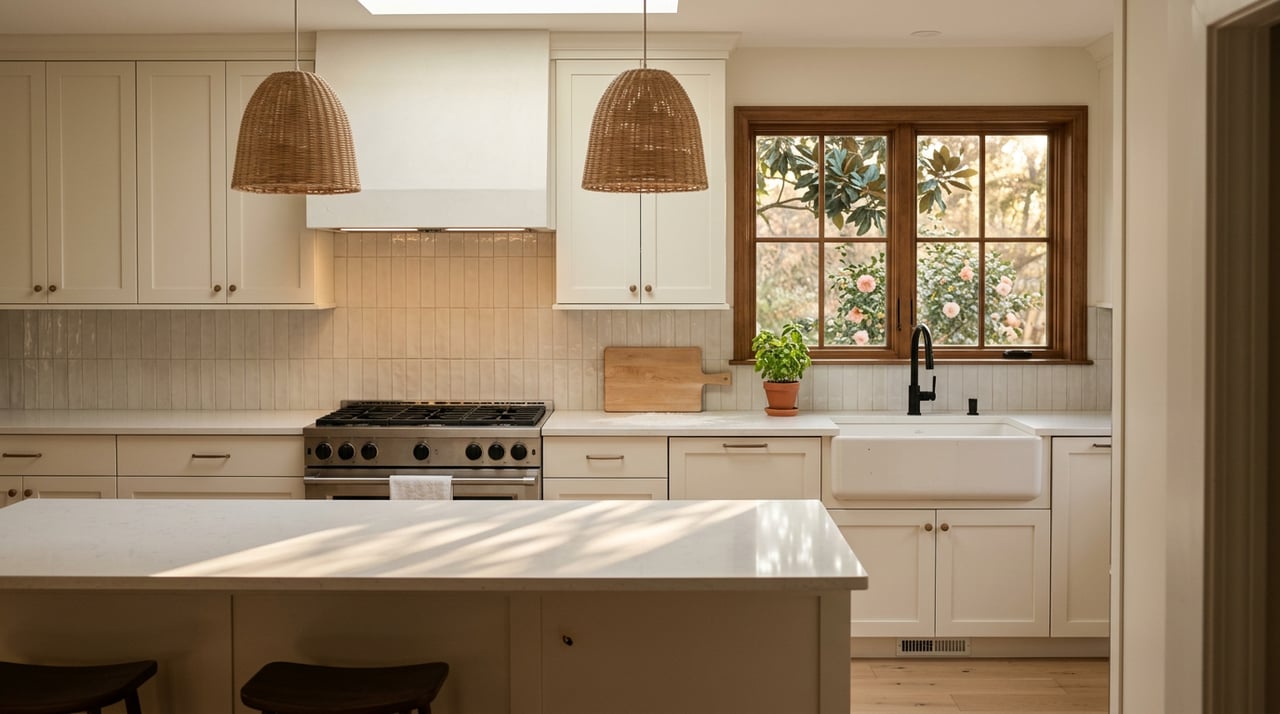
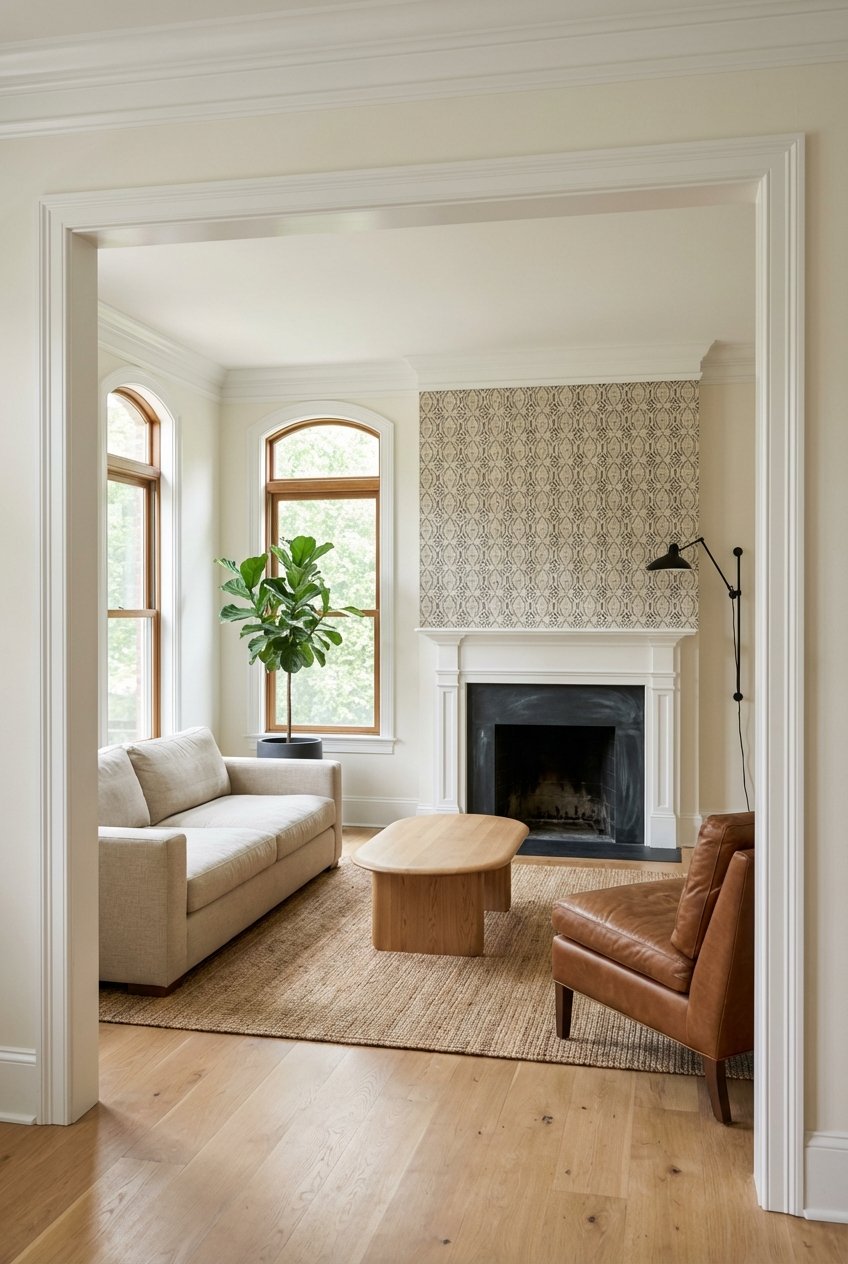
Updated bungalows that retain period character but add open kitchens, new baths, and improved systems are in high demand. These often sell at a premium because the heavy lifting is already done and the design aligns with today’s lifestyles.
New infill and “tall and skinny” builds
Newer homes provide modern HVAC, insulation, and electrical panels, which can lower near-term maintenance. They may sit on narrower lots with limited side yards and smaller outdoor spaces. Street rhythm can feel different than blocks of older cottages.
Older vs. newer: practical tradeoffs
- Maintenance vs. convenience: Older homes can come with electrical or foundation updates to consider, while new builds may reduce short-term repair risk but cost more per square foot. If you suspect older wiring, learn how inspectors approach knob-and-tube and insurance issues using resources like InterNACHI’s guidance.
- Drainage and spacing: Narrow-lot infill can create runoff and crawlspace concerns if grading is not handled well. A local inspector’s perspective on the “tall and skinny” drainage trap is a helpful read: infill drainage issues.
- Energy and efficiency: New construction usually offers better insulation and newer mechanicals. Many older homes benefit from added insulation and targeted upgrades over time.
Overlays, permits, and ADUs
Parts of East Nashville fall under historic or conservation overlays that influence exterior changes, additions, or front-facade alterations. Lockeland Springs is a useful example; the association’s page can help you explore overlay context and links to city resources. Start here: Lockeland Springs Neighborhood Association.
Before you plan an addition or major remodel, verify past permits and understand the current rules. Metro Codes explains how permits work and how to check records through ePermits. See the Metro Codes building permit process.
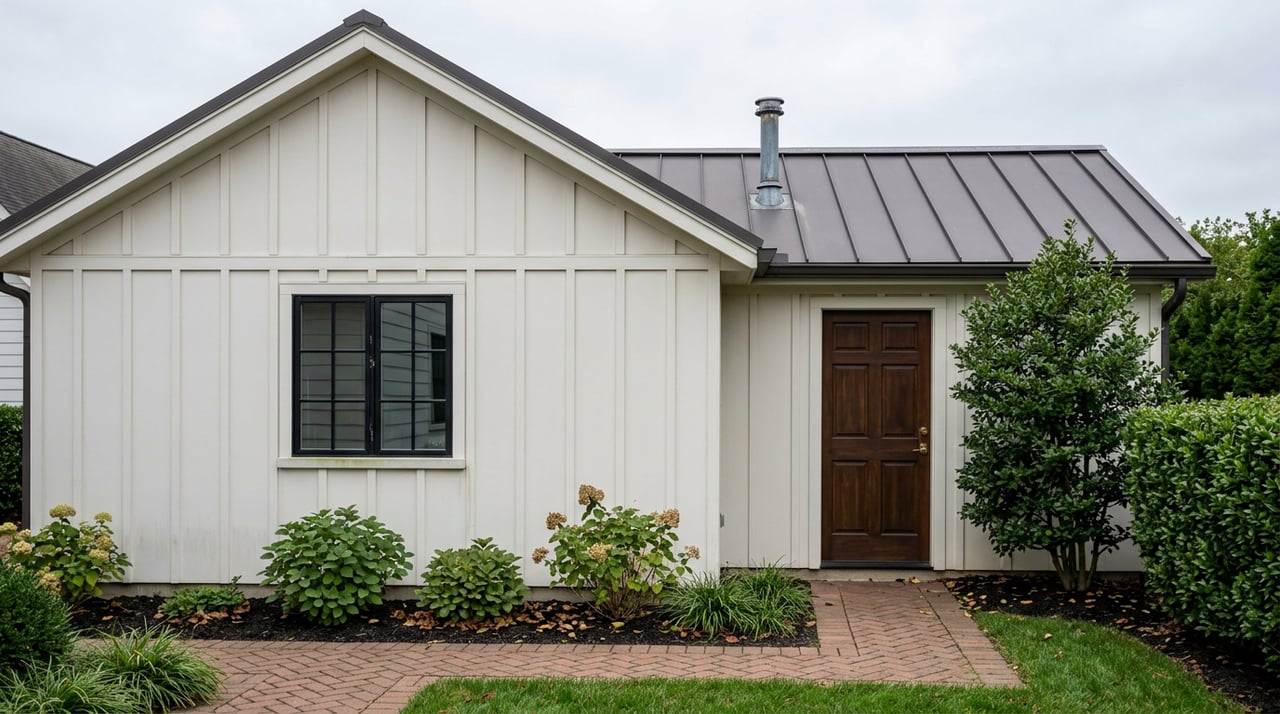
If you hope to add an accessory dwelling unit, review the Metro Unified Development Ordinance. ADUs and detached ADUs have site-specific rules that affect size, placement, and ownership conditions. Read the Metro UDO section on ADUs, then confirm details with Codes before you buy.
Walkability, parks, and daily life
Walkable pockets and Five Points
East Nashville has several walkable nodes centered on local cafés, restaurants, and music venues. Five Points is the best-known hub and a great example of the “park the car and stroll” lifestyle. For a quick block-by-block check, use Walk Score as a starting point, then verify on the ground.
Shelby Park and the Greenway
Shelby Park and Shelby Bottoms Greenway offer hundreds of acres, trails, and river access. It is a major draw for runners, cyclists, and dog owners, and connects to several nearby neighborhoods. Explore trail maps and amenities through Metro Parks: Shelby Bottoms Greenway and Nature Area.
Transit and commuting
WeGo Public Transit serves East Nashville along key corridors, including Gallatin Pike. Frequency varies by route, so check current maps and schedules if bus access matters to your routine. Get updates from WeGo Public Transit.
Streets and pockets to start researching
- Lockeland Springs (Woodland St, 15th–19th): dense with historic bungalows, active neighborhood association, and blocks that are an easy reach to Shelby Park. See Lockeland Springs for local history.
- Five Points / East End (around Woodland St and 11th St): restaurants, venues, and high walkability. Expect a mix of classic cottages and newer condos or infill.
- Rosebank / Eastland Ave: closer to the Shelby Bottoms greenway with newer cottage communities and connections that appeal to bikers and trail lovers.
- Riverside Drive and river-edge blocks: proximity to the Cumberland and green space can be a plus, but flood insurance and elevation certificates matter. Check parcel-specific risk using state resources for FEMA flood mapping.
- Gallatin Pike corridor and near Dickerson Pike: a more urban, mixed-use setting with bus routes and ongoing redevelopment in some areas. Good for buyers who want easy access to services and transit.
- Inglewood side streets: a wide range of home ages and sizes, from early cottages to mid-century homes. Walkability and lot size vary by block, so scout weekday and weekend conditions.
Buyer checklist: do this before you write an offer
Pre-offer homework
- Get pre-approved and set a firm budget. Compare recent closed sales rather than list prices alone when judging value.
- Walk the exact block during day and evening. Note sidewalks, lighting, street parking, and noise. Use Walk Score as a guide, then confirm in person.
- If school zoning matters, verify current assignments with MNPS. Lockeland Elementary is one local example within the area, but school zones can change.
- Check flood risk, especially near the river or Shelby Bottoms. Use state resources for FEMA flood mapping and ask for elevation certificates when relevant.
Inspections and contingencies to include
- Full home inspection covering structure, roof, HVAC, plumbing, and electrical. Add a sewer-scope inspection for older homes or when slow drains are noted.
- Termite and wood-destroying insect inspection. Consider a moisture survey for crawlspaces.
- Electrical review if you suspect knob-and-tube or an outdated panel. See InterNACHI’s overview for what inspectors document.
- Lead-paint awareness for pre-1978 homes. If you plan to renovate, learn about safe work practices under the EPA RRP program.
Permits, overlays, and future plans
- Verify permit history through ePermits or by requesting records. Review the Metro Codes building permit process before you proceed.
- If you want an ADU or DADU in the future, study the Metro UDO and confirm site-specific rules with Codes.
- In overlay districts, exterior work and additions may need design review. Check neighborhood association pages and Metro guidance before you plan changes.
Insurance and financing flags
- Older wiring, foundation issues, or high-risk flood zones can affect insurance and lending. Surface these during inspections and talk with your lender and insurer early.
- For new infill, ask about drainage design and any recorded maintenance obligations for shared driveways or storm systems. A quick read on infill drainage can help you shape questions for the seller.
How we help you buy well
Buying in East Nashville is about fit, function, and long-term value. You deserve clear data, careful inspections, and a plan for any design or systems updates after closing. Our team pairs neighborhood knowledge with practical, design-minded guidance to help you weigh older-vs-newer tradeoffs, verify permits, and plan smart improvements.
Ready to explore? Reach out to C&S Residential for a friendly, expert strategy session tailored to your budget, timeline, and favorite pockets.
FAQs
Are East Nashville prices still rising?
- Prices shift by micro-neighborhood and season. As of January 2026, medians hovered in the mid-to-high 500Ks, with renovated homes in core pockets often trading faster than average.
What should I know about flood risk near the river or greenway?
- Flood risk is parcel-specific. Use state resources for FEMA mapping and request elevation certificates when appropriate.
Do historic or conservation overlays limit renovations?
- Overlays can limit exterior changes and require reviews. Check neighborhood resources like Lockeland Springs and confirm rules with Metro Codes before planning additions.
Is new infill a good choice if I want low maintenance?
- New builds can reduce near-term maintenance and boost efficiency. Weigh that against lot size, side-yard spacing, and drainage design, then compare total cost of ownership.
Can I add an ADU later for rental or multigenerational living?
- Possibly. ADU and DADU rules are site-specific. Review the Metro UDO and confirm details with Codes before you buy.