What if your morning coffee came with a stroll past a vintage theatre marquee, brick sidewalks, and porch-lined streets? Downtown Franklin offers that kind of daily rhythm, with landmarks and local history woven into each block. If you are drawn to character, walkability, and community events, this guide will help you understand the homes, the market, and the practical steps to buy or renovate in the heart of town. You will learn what styles to expect, how local preservation works, what inspections matter for older homes, and how to plan your budget. Let’s dive in.
Downtown Franklin at a glance
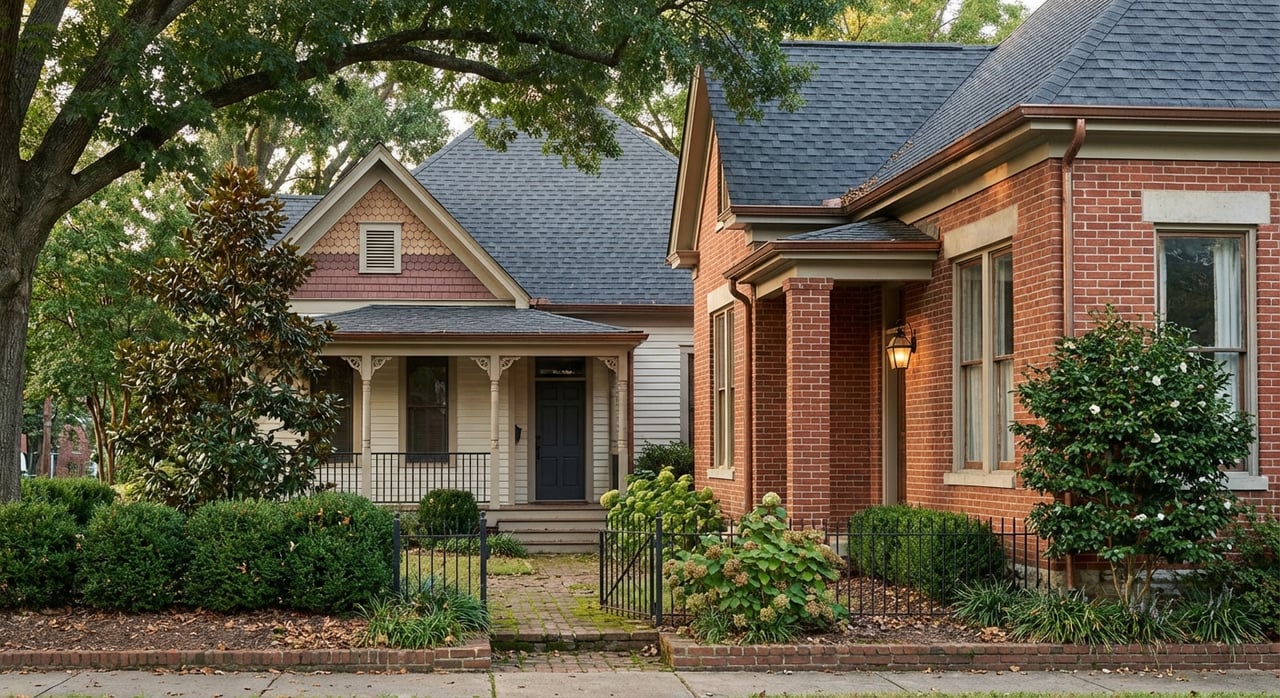
Downtown Franklin centers on a locally designated historic district that protects the oldest city blocks around Main Street and the public square. The city’s Historic Preservation Overlay guides exterior changes so the streetscape keeps its charm over time. You will notice porches, narrow setbacks, mature trees, and historic details that give each street a distinct look.
Local life is active and walkable. Community festivals and Main Street programming led by the Heritage Foundation bring regular markets and events to the core. If you want to see how engaged the calendar is, browse the Heritage Foundation’s events and initiatives. Landmarks like the Carter House, the Lotz House, and Pinkerton Park add to the sense of place.
Homes and architecture you will see
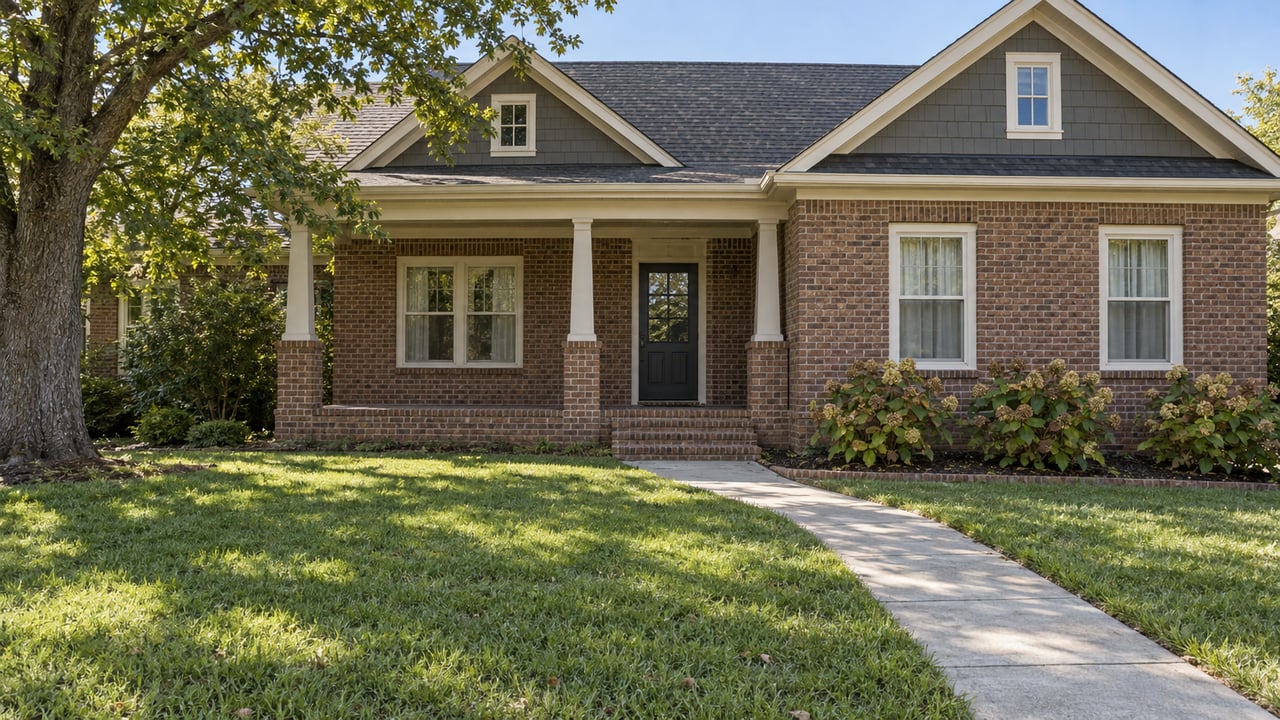
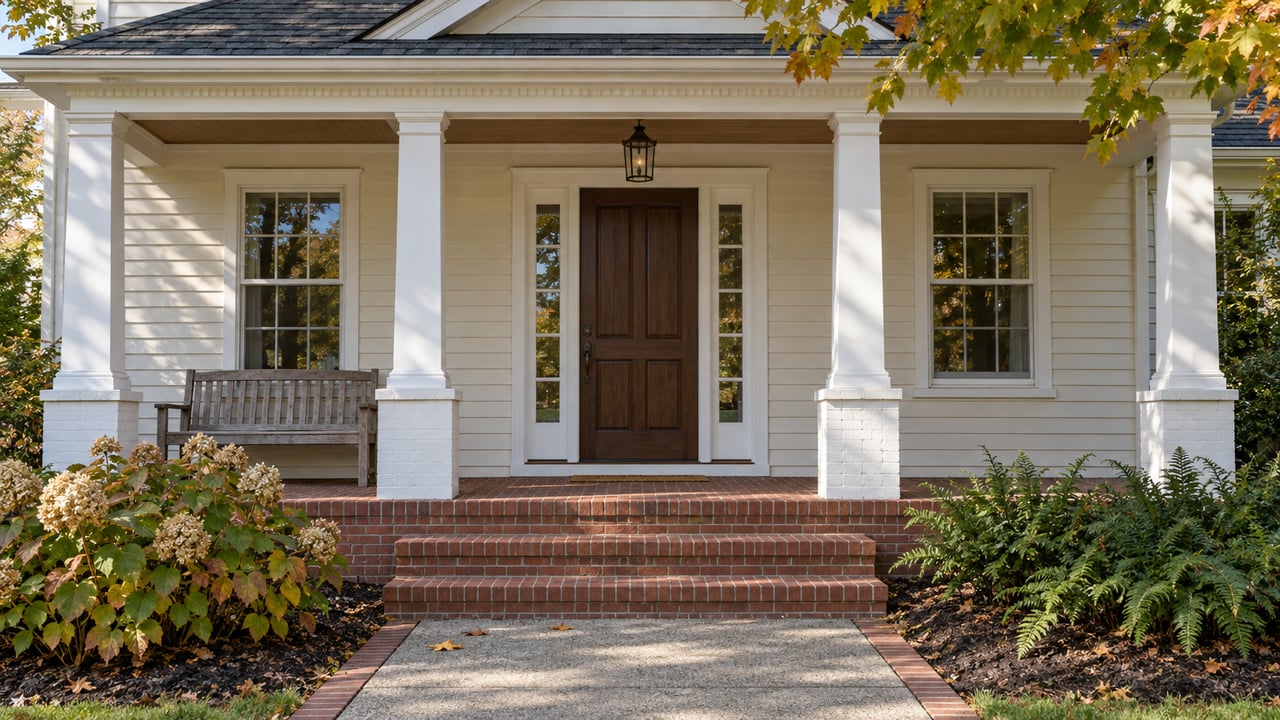
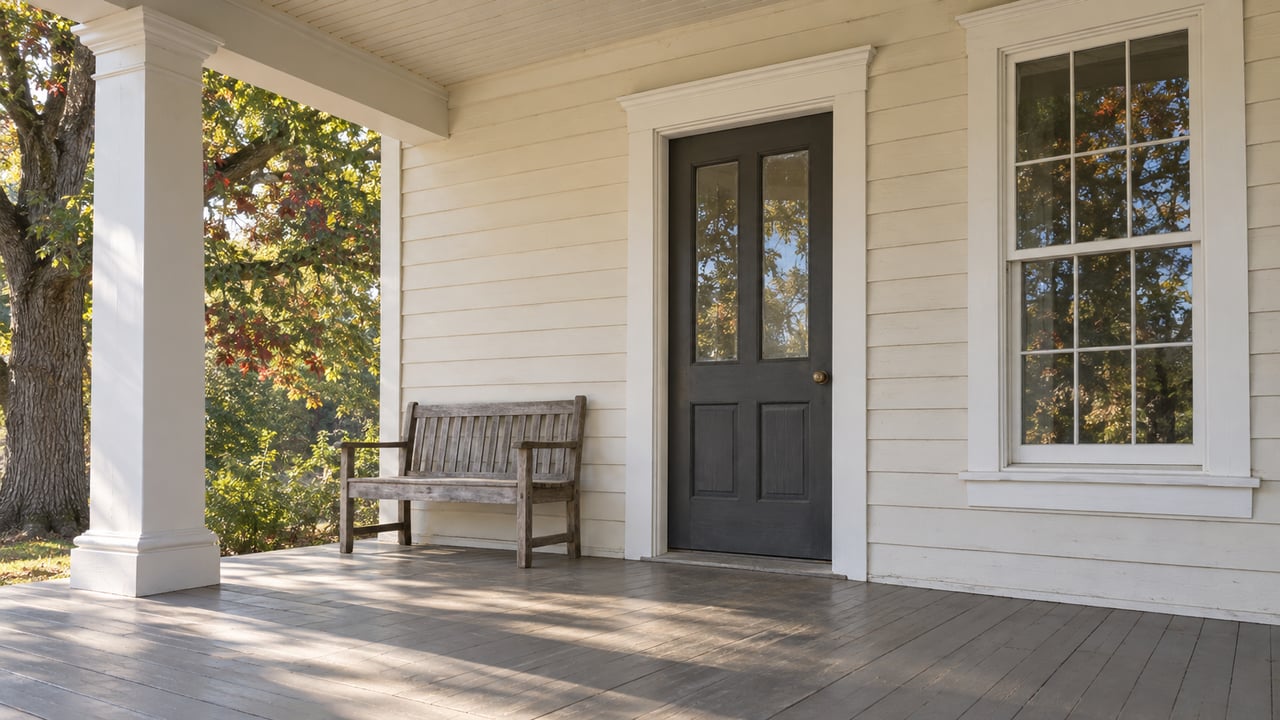
Downtown Franklin homes show a wide range of 19th and early 20th century styles. In a few blocks, you might pass Federal and Greek Revival facades, Victorian-era homes with turned posts and millwork, and early 1900s Bungalow and Craftsman cottages. Many properties have front porches, original windows, brick or wood siding, and tree-lined sidewalks that invite evening walks.
Typical property types include:
- Restored historic single-family homes with preserved facades
- Compact bungalows and cottages on smaller town lots
- Carriage houses or accessory dwellings behind primary homes
- Carefully designed infill or additions that fit the historic context
Expect less yard than you would find in suburban neighborhoods, and more emphasis on porches, sidewalks, and access to shops and dining.
What the market looks like right now
Franklin’s citywide values are strong compared to national averages. The latest city home-value index shows roughly $893,851 for Franklin. Countywide medians in Williamson County trend higher, often near the low seven figures. Downtown itself can differ from broader county trends. A recent downtown snapshot based on local MLS summaries showed a median sale price around $775,000 for the past 12 months. Inventory for truly historic cottages can be limited, and days on market can shift with season and price tier.
If you are planning a purchase, treat these numbers as a snapshot. Your agent can pull a fresh, property-specific analysis before you write an offer.
What to expect when buying an older home
Older homes are rewarding, but they need informed due diligence. Here are the high-value checks most buyers should consider:
- Full home inspection. Start broad to flag system or structural concerns.
- Structural or engineer review. If you see settlement, past movement, or foundation patches, get a specialist opinion.
- Sewer or drain scope. Older lines can crack, root, or settle over time.
- Termite and pest inspection. Southern climates make wood-destroying organisms a common risk.
- HVAC evaluation and chimney or roof inspection. Age, flashing, and masonry can drive costs.
- Lead paint awareness for pre-1978 homes. If you plan to disturb painted surfaces, the EPA’s RRP rule applies. Learn the basics from EPA lead-safe renovation guidance.
- Electrical review for outdated wiring. Aluminum branch circuits from the 1960s–70s or knob-and-tube wiring can raise safety and insurance issues. The U.S. CPSC outlines approved fixes in its guide on repairing aluminum wiring.
Hidden repairs and smart budgeting
Historic homes can hide upgrades behind finished surfaces. Common project categories include electrical rewiring, partial or full re-plumbing, HVAC modernization, roofing or chimney work, foundation adjustment, termite remediation, and occasional hazardous-material cleanup.
Plan for surprises by building a contingency. Many renovation pros recommend a 10 to 25 percent cushion on older homes. If you want to weigh cost recovery for common projects, Remodeling’s Cost vs. Value report shows national averages where modest exterior refreshes and targeted interior updates often recover more than full gut remodels.
How preservation works in Franklin
If your property is inside the local Historic Preservation Overlay, exterior changes visible from the street are reviewed through the city’s Historic Zoning Commission.
- Start by confirming whether your address sits in the Historic Preservation Overlay.
- The city’s Historic District Design Guidelines explain how to approach windows, additions, materials, and more.
- Most visible exterior work needs a Certificate of Appropriateness. Review steps and contacts on the city’s Certificate of Appropriateness page.
Here is a simple 4-step path for an exterior project:
- Call the city’s Preservation Planner to discuss your idea.
- Attend a preliminary Design Review Committee meeting for feedback.
- Submit your Certificate of Appropriateness application.
- After approval, pull any required permits and coordinate with your contractor.
This process helps keep the district’s character intact, which tends to support long-term neighborhood value.
Financing a purchase and renovation
If you plan to buy and renovate, consider loan products that roll costs together. The FHA 203(k) program allows qualified owner-occupants to finance purchase and rehab in one mortgage, subject to program rules and limits. Conventional renovation loans may also be available through private lenders. A local mortgage professional can help you compare options and timelines.
Note on incentives: The federal Historic Rehabilitation Tax Credit applies to income-producing historic buildings that meet specific standards, not to owner-occupied primary residences. If you are exploring a mixed-use or rental project, a preservation professional can help assess eligibility.
Walkable lifestyle, everyday perks
Living downtown means simple pleasures are close at hand. You can browse shops, catch a show at the Franklin Theatre, or cross the pedestrian bridge to Pinkerton Park for greenspace. Festival weekends bring energy to Main Street, while weekday mornings feel relaxed and neighborly.
Quick buyer checklist
- Confirm if the home is in the Historic Preservation Overlay and whether a COA is required for exterior work.
- Order a full inspection, plus targeted tests like sewer scope, termite, and environmental checks as needed.
- Schedule an electrician to review older wiring and ask insurers about underwriting requirements early.
- Build a 10 to 25 percent budget contingency and consult Cost vs. Value for project ROI context.
- If a major rehab is planned, discuss 203(k) or similar renovation financing with your lender early.
Ready to explore homes that pair timeless architecture with an everyday Main Street lifestyle? Reach out to C&S Residential for neighborhood guidance, historic-home know‑how, and a plan tailored to your goals.
FAQs
What is the Historic Preservation Overlay in Franklin?
- It is a local zoning overlay that requires review of visible exterior changes within designated districts to preserve community character; start with the city’s HPO map and guidelines.
How much do Downtown Franklin homes cost today?
- Citywide values average around $893,851, while a recent downtown snapshot showed a median near $775,000; ask for a fresh, property-specific analysis before you offer.
Which inspections matter most for older Downtown Franklin homes?
- In addition to a full home inspection, consider structural, sewer scope, termite, HVAC, roof, and targeted tests for lead paint and older electrical systems.
Do I need approval before changing my home’s exterior in Downtown Franklin?
- If the property is in the HPO, most visible exterior changes require a Certificate of Appropriateness through the Historic Zoning Commission; contact city staff early.
Can I use historic tax credits on a primary residence in Downtown Franklin?
- The federal Historic Rehabilitation Tax Credit applies to certified, income-producing projects, not owner-occupied primary residences; consult a preservation pro for eligibility.