Wondering whether a condo or townhome in Green Hills will feel like the right fit for your next move? If you want a home that keeps you close to everyday conveniences while reducing some of the upkeep that comes with a detached house, attached living may be worth a closer look. In Green Hills, that choice is also tied to how the neighborhood has grown, what associations manage, and how costs really add up. Let’s dive in.
Green Hills Housing Today
Green Hills sits within the broader Green Hills-Midtown community planning area, which Metro most recently updated in August 2017 as part of NashvilleNext. Metro notes that this community has 9 Urban Design Overlays, the most of any of Nashville’s fourteen communities, along with 2 Institutional Overlays that work with existing residential zoning.
That planning context matters because it helps explain why housing here can feel more compact and layered than in a typical suburban setting. Metro’s materials describe Green Hills-Midtown as having a diverse housing stock, with much of the more recent development appearing as for-rent stacked flats and owner-occupied condos.
The community plan also notes that housing diversity is intended to support aging in place and that infill and redevelopment have increased since 2005. For you as a buyer, that means condos and townhomes are not an outlier in Green Hills. They are part of the area’s ongoing growth pattern.
Condo And Townhome Basics
Before you shop, it helps to know that style and ownership structure are not always the same thing. A home that looks like a townhome from the street may still be legally structured as a condominium, so you should confirm the declaration, plat, and association documents before making assumptions.
Fannie Mae describes a condo as an individual unit within a larger building or community, with shared facilities owned collectively and managed through a condo association or HOA. Monthly fees often help cover exterior and common-area repairs, and they may also contribute to insurance, utilities like water, sewer, and trash, plus reserve funding.
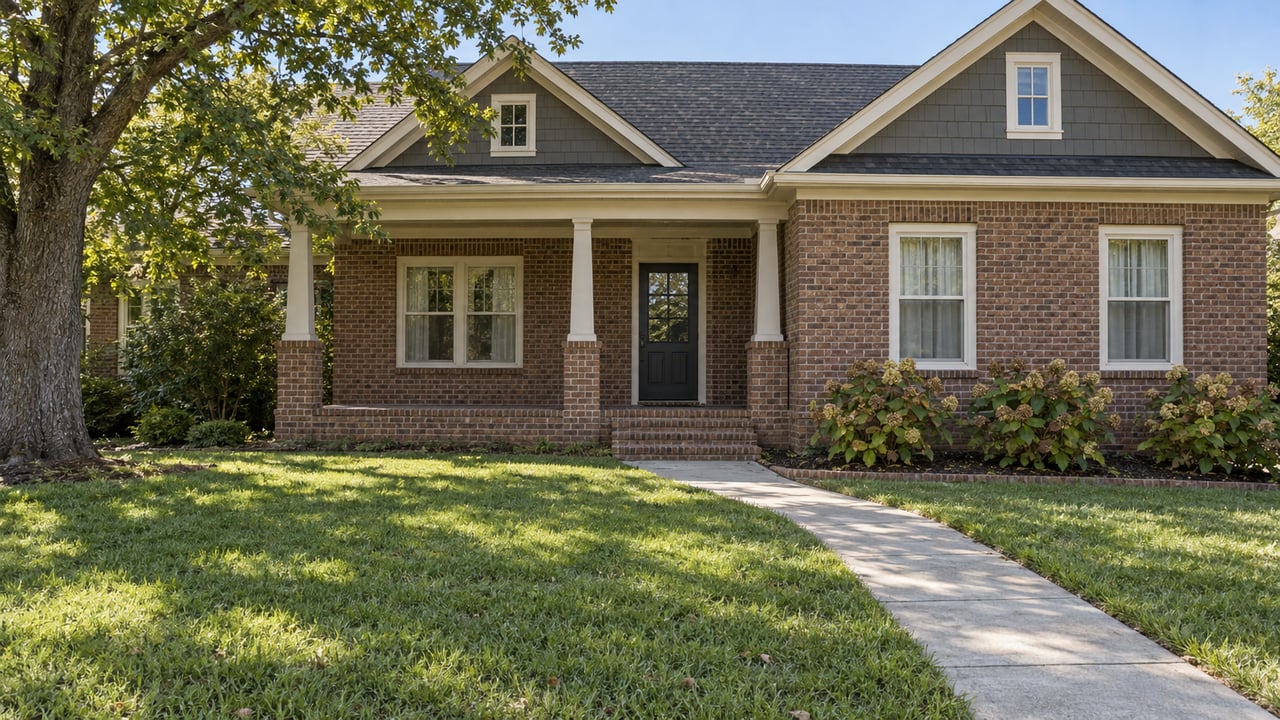
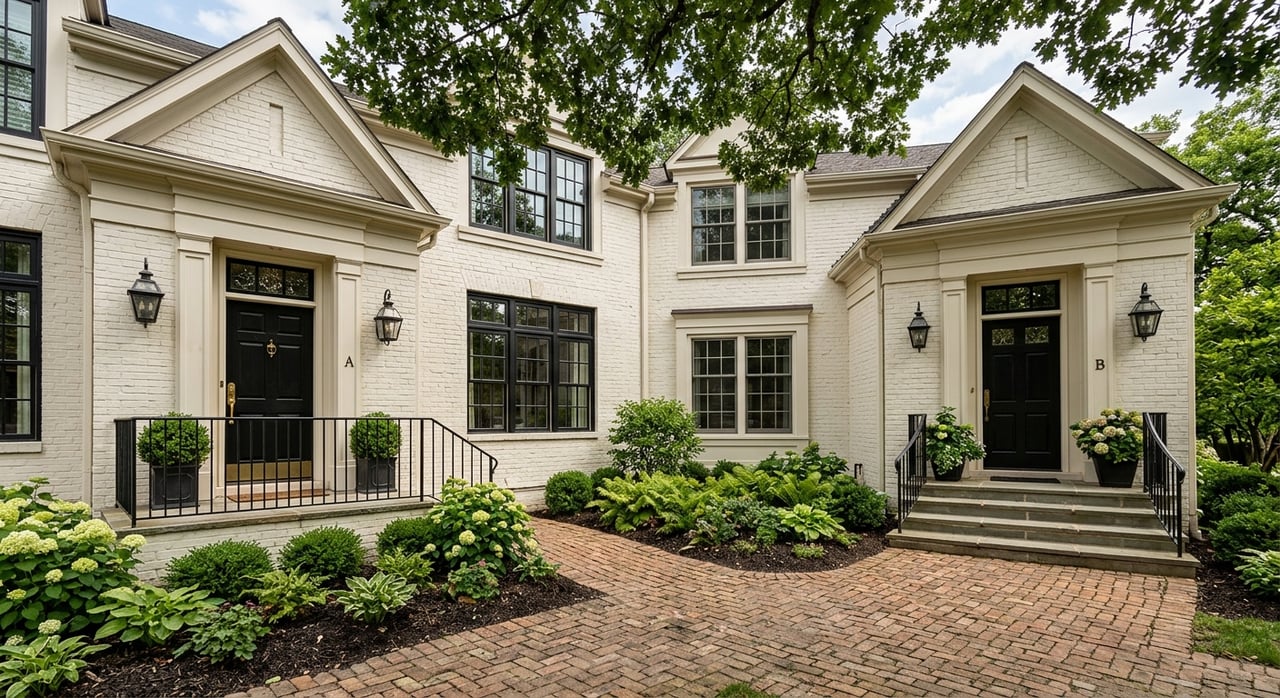
Fannie Mae describes a townhome as a two- or three-level home attached to a similar home by a shared wall. These homes typically have a private entrance and may include a deck or patio, while some communities also offer shared amenities such as a pool, gym, or clubhouse.
What Homes Often Look Like
In Green Hills, attached homes often reflect the area’s pattern of more recent condo and stacked-flat development. In practical terms, that usually means more vertical floor plans, more efficient use of square footage, and less private yard space than you would typically find with a detached home.
That does not automatically mean less livable space. It simply means the layout may prioritize multiple levels, open common areas, and a more lock-and-leave lifestyle over large lots and expansive outdoor maintenance.
You may also notice that shared spaces play a bigger role in day-to-day living. Depending on the community, that could include parking areas, landscaped grounds, hallways, elevators, or amenity spaces that are maintained collectively rather than by each owner.
What Daily Living Feels Like
For many buyers, the biggest appeal of condo and townhome living is convenience. Attached housing can make it easier to spend less time on exterior chores and more time enjoying the neighborhood and your routine.
That said, convenience comes with a different kind of ownership experience. Instead of maintaining every exterior feature yourself, you are usually part of a shared system where rules, budgets, repairs, and long-term planning are handled through an association.
Green Hills’ planning documents support a neighborhood pattern where housing is more context-sensitive and compact than in a typical subdivision. That means attached living here is often less about settling for less and more about choosing a close-in lifestyle with shared maintenance responsibilities.
Budget Beyond The Mortgage
If you are comparing a condo or townhome with a detached house, your budget should go beyond the monthly loan payment. The most useful all-in number includes your mortgage, property taxes, insurance, HOA or condo dues, utilities, and ongoing maintenance.
Condo fees can vary based on the property’s age, condition, value, and amenities. They may also help build reserve funds, which are important because major shared components like roofs, exterior finishes, and other common elements eventually need repair or replacement.
Here is a simple way to think about the cost picture:
| Cost Category | What It May Include |
|---|---|
| Mortgage | Principal and interest |
| Property Taxes | Local property tax obligation |
| Insurance | Your unit policy and any needed supplemental coverage |
| HOA or Condo Dues | Common-area upkeep, exterior items, reserves, and sometimes utilities |
| Utilities | Electricity, internet, and any services not included in dues |
| Maintenance | Interior repairs and routine upkeep inside your home |
The key is not whether dues exist. The key is whether you understand what they cover and whether the overall lifestyle fits your budget.
Rules And Documents Matter
Association documents deserve real attention before you buy. Fannie Mae recommends reviewing the CC&Rs and bylaws because they can control exterior changes, landscaping, and structural alterations.
Those rules can also affect daily preferences that matter more than buyers sometimes expect. If you care about parking, guest policies, storage, pet rules, or your ability to make updates, the documents may answer those questions more clearly than a listing description ever will.
Ask direct questions so you know what ownership looks like in practice. A few smart questions up front can save you from surprises later.
Questions To Ask Before You Buy
- What do the monthly dues cover?
- Is parking assigned, included, or limited?
- Are there any special assessments?
- What do the bylaws allow or restrict?
- How is the board elected?
- What modifications are allowed inside and outside the home?
- How large is the reserve fund?
- What does the master insurance policy cover?
Why Reserve Funds Matter In Tennessee
Reserve planning is not just an abstract budget topic. In Tennessee, many condominium associations are now subject to a reserve-study requirement created by 2023 legislation.
Under that law, a board that oversees common elements with an aggregate replacement cost above $10,000 must have a reserve study updated every five years, review reserve funding annually, and make the study available to owners electronically or on the community website. The law defines a reserve study as an analysis of the remaining useful life and replacement cost of common elements, with the goal of minimizing special assessments.
For you, that makes reserve health a practical buying issue. A well-managed reserve approach can help you better understand how a community plans for future repairs and whether costs are being addressed proactively.
Financing Can Be More Detailed
Lenders often look more closely at condo projects than buyers expect. According to Fannie Mae, lenders may evaluate the physical condition of the community, financial stability, debts tied to structural integrity, pending lawsuits, mandatory inspections, and whether the project is warrantable.
That means your financing approval may depend not only on your own qualifications, but also on the association and project itself. If you are buying in Green Hills, it is wise to ask early whether the community has any financing hurdles that could affect timelines or loan options.
This is one reason local guidance matters. A clear review of the ownership structure, association health, and property details can help you avoid delays and compare options more confidently.
The Tradeoffs To Expect
Condo and townhome living can be a strong fit if you want lower-maintenance ownership and a location-focused lifestyle. Fannie Mae specifically frames condos as potentially lower-maintenance and budget-friendly, while townhomes can offer a private entrance and some outdoor space with more manageable upkeep than a detached home.
Still, every benefit comes with tradeoffs. The most common ones are less privacy, less yard space, shared walls or common areas, more rules, and monthly dues that may rise over time.
For some buyers, those tradeoffs feel well worth it. For others, a detached home may still be the better fit if you want more space, more autonomy, or a larger private lot.
Who Green Hills Attached Living Fits Best
Attached living in Green Hills often makes sense for buyers who value convenience, location, and easier exterior upkeep. It can appeal to professionals, downsizers, and smaller households who want a more manageable home base in a well-established Nashville area.
It may also work well if you prefer a home that supports aging in place through a more compact lifestyle and reduced exterior responsibilities. Metro’s planning materials specifically point to housing diversity as part of that goal in Green Hills-Midtown.
The best fit comes down to how you live. If your priorities center on private yard space and full control over exterior decisions, you may want to compare attached homes carefully against detached options before deciding.
How To Shop Smarter In Green Hills
As you narrow your search, focus on more than finishes and square footage. The right condo or townhome is also about the legal structure, monthly costs, association health, and how the community’s rules align with your lifestyle.
A thoughtful home search should look at both the unit and the framework around it. That means reviewing documents, asking about reserves and assessments, and understanding whether the community’s layout and management style fit how you want to live.
If you are weighing condo or townhome options in Green Hills, a relationship-first local guide can help you sort through those details with more clarity. When you are ready to talk through neighborhoods, ownership structures, and what fits your goals, connect with C&S Residential.
FAQs
What is the difference between a Green Hills condo and a Green Hills townhome?
- A condo is typically an individual unit within a larger community with shared facilities and association management, while a townhome is usually a two- or three-level attached home with a private entrance, though some townhome-style properties are still legally condos.
What do condo or HOA fees usually cover in Green Hills attached communities?
- Fees often help cover exterior and common-area repairs, reserve funding, and sometimes insurance or utilities such as water, sewer, and trash, but you should verify the exact coverage for each community.
Why should Green Hills buyers review condo documents before making an offer?
- The declaration, plat, CC&Rs, and bylaws can explain ownership structure, parking, modification rules, assessments, board governance, and other limits or obligations that affect daily living and long-term costs.
Do lenders look at the condo association when financing a Green Hills purchase?
- Yes, lenders may review the project’s physical condition, financial stability, structural-related debt, pending lawsuits, inspections, and whether the community is considered warrantable.
What is a Tennessee condominium reserve study?
- Under Tennessee law, many condominium associations must update a reserve study every five years and review reserve funding annually to help plan for common-element replacement costs and reduce the risk of special assessments.
Is condo or townhome living in Green Hills good for buyers who want less maintenance?
- It can be a strong fit if you want easier exterior upkeep, a more compact home, and a location-focused lifestyle, but you should weigh that against less privacy, less yard space, shared walls, and association rules.