If you are eyeing new construction in The Nations, it helps to know that you are not just buying a floor plan. You are buying into a neighborhood with active design standards, ongoing redevelopment, and a streetscape that can shape daily life as much as the home itself. When you understand how the lot, the builder, the contract, and the local planning rules work together, you can make a more confident decision. Let’s dive in.
Why The Nations Feels Different
New construction in The Nations does not work like a typical large-scale suburban subdivision. Metro Nashville’s Nations Urban Design Overlay sets standards for redevelopment and vacant-lot development, and projects within the overlay must complete a final site plan review before a building permit is issued.
That matters because many new homes here are shaped by lot-specific rules and neighborhood design expectations. Instead of comparing near-identical homes on repeating streets, you may be looking at townhomes, detached homes, stacked flats, or other housing types within the same area.
How The Overlay Affects Your Home Search
The overlay is designed to expand housing options, support redevelopment of industrial areas, and maintain the neighborhood’s character. For you as a buyer, that means the exterior design and the way a home meets the street deserve just as much attention as the kitchen finishes or appliance package.
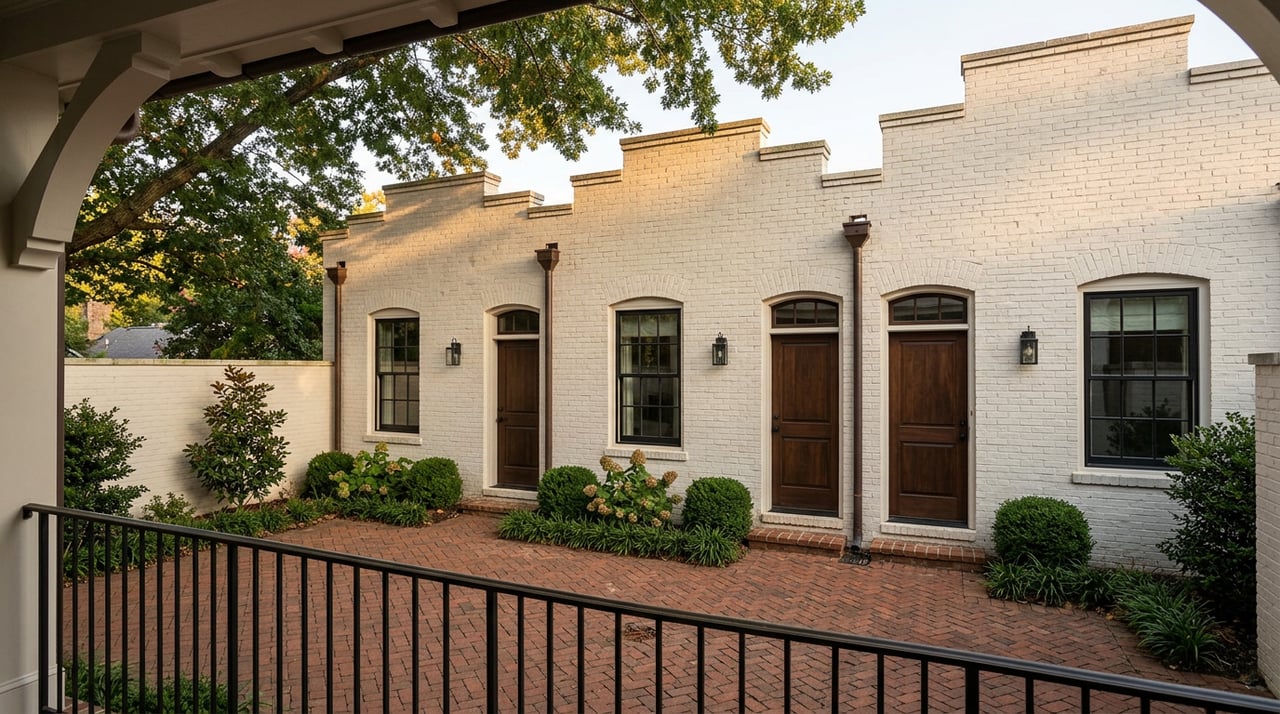
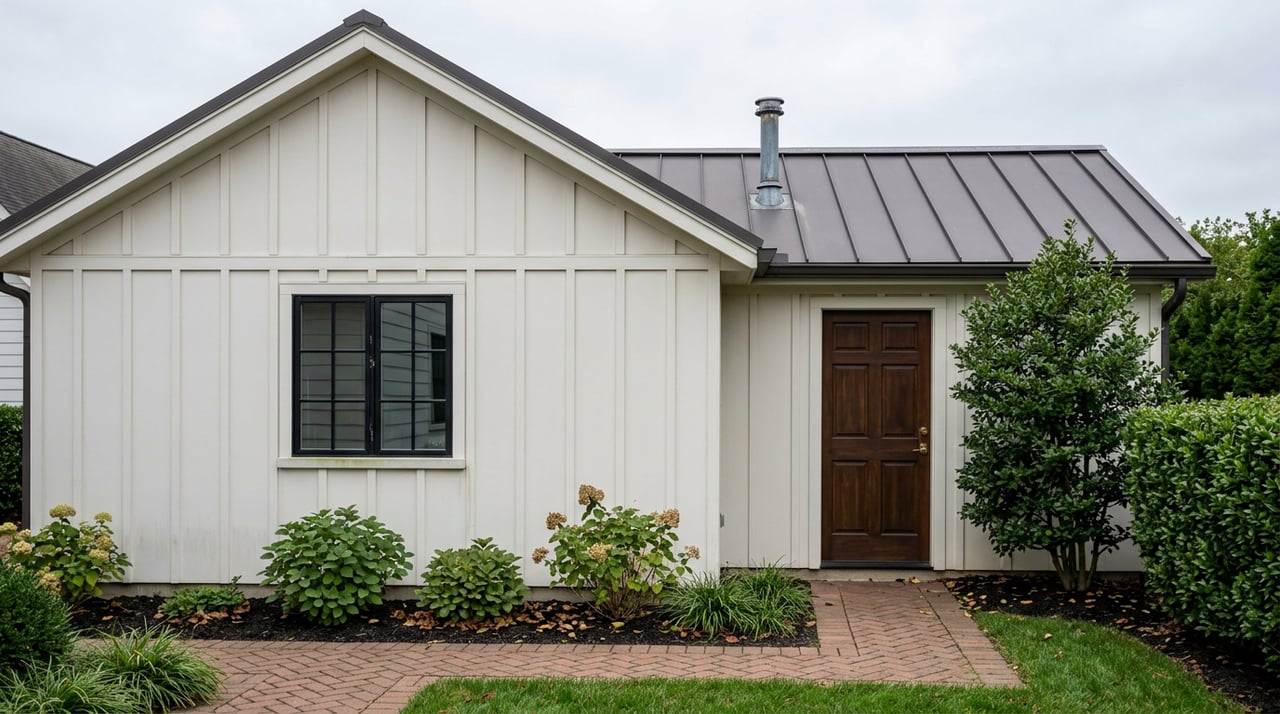
Metro’s standards emphasize durable exterior materials such as brick, stone, cementitious siding, metal paneling or siding, and glass. They also address things like porches, stoops, façade articulation, and fence materials. In simple terms, curb appeal in The Nations is not just aesthetic. It is part of how a home was designed to fit its block.
Look Beyond the Model Home
A beautifully staged model can be helpful, but it should not be your only reference point. In The Nations, the actual lot can change how a plan lives day to day.
A corner lot, alley access, setback relationship, and front-door orientation can all affect parking, storage, privacy, and how welcoming the home feels from the street. It is smart to compare the plan on the real homesite, not just in a brochure.
Street Experience Matters Too
The wider planning context in West Nashville also plays a role in what it is like to live here. Metro’s Nations Neighborways project includes traffic calming and bikeway improvements along streets such as Georgia Avenue, Indiana Avenue, and Kentucky Avenue, with a connection to the 51st Avenue cycletrack.
For buyers, that means your decision may include more than square footage and finishes. Walkability, bike access, traffic flow, and parking patterns can all shape your everyday experience once you move in.
What the Market Means for Buyers
The broader Nashville market is still active, but buyers have more choices than they did during the tightest inventory periods. Greater Nashville REALTORS® reported 3,100 closings in April 2026 across the nine-county region, along with 14,677 active listings and an average of 57 days on market.
In Davidson County, the Q1 2026 median residential price was $499,990, and the condo median was $361,000. While every micro-market behaves differently, this backdrop suggests you may have more room to compare builders, incentives, timelines, and finish packages before making a decision.
Why Builder Competition Can Help You
In a market with rising inventory, builders may compete not just on price, but on terms. That can show up in closing cost assistance, rate incentives, included upgrades, or flexibility around timing.
This does not mean every builder will negotiate the same way. It does mean you should compare the full offer package carefully instead of focusing only on the list price.
Compare the Builder, Lot, and Contract Together
One of the biggest mistakes buyers make with new construction is treating the home itself as the only decision. In reality, the builder’s contract, deposit structure, lender options, and warranty terms are just as important.
The Consumer Financial Protection Bureau notes that builders may ask for an upfront deposit on a home that is not yet built. You should ask when that deposit is refundable and under what conditions it may be kept.
Ask About the Builder’s Lender
Builders often have an affiliated lender, but you are not required to use that lender. Shopping around can help you compare rates, fees, and the value of any builder incentive tied to preferred financing.
Sometimes the builder’s lender offer is the best fit. Sometimes it is not. The key is to evaluate the whole financing package before you commit.
Read the Contract as Closely as the Floor Plan
Builder contracts can differ from standard resale contracts in important ways. Pay close attention to construction timelines, change-order limits, inspection timing, financing terms, and how delays are handled.
This is where experienced local representation can be especially helpful. A strong buyer’s agent can help you spot practical issues early, before they become stressful later in the process.
Use the Exterior as a Quality Check
In The Nations, the exterior of the home can tell you a lot about the builder’s approach. Because the overlay emphasizes durable materials and thoughtful streetscape design, it makes sense to treat the outside of the home as part of your quality checklist.
Look for things like balanced window placement, usable porches or stoops, durable cladding, and fencing or landscaping that feels intentional. A home that fits the block well often signals better overall planning.
Ask a Simple but Important Question
When you tour a home, ask whether it was designed to meet the overlay cleanly or whether the builder had to push hard to make the plan fit the lot. You do not need to become a zoning expert, but this question can open up a useful conversation.
A thoughtful design response usually creates a home that feels more natural on the site. That can matter for both daily livability and future resale appeal.
Inspections Still Matter on a Brand-New Home
It is easy to assume a new home should not need an inspection, but that is not the safest approach. The CFPB recommends scheduling an independent home inspection as soon as possible so there is time to address issues.
You should also consider attending the inspection if possible. Even brand-new construction can have defects, and an independent inspector can help identify items that deserve correction before closing.
Know Your Contract Deadlines
Inspection rights depend on your contract terms. The CFPB also notes that buyers should consider contingencies for financing and satisfactory inspection, and should negotiate or cancel when the contract allows if serious problems are found.
That makes timing important. You want to understand your deadlines early so you do not lose key opportunities to protect yourself.
Builder Warranties Are Helpful, but Limited
A builder warranty can offer peace of mind, but it is not a catch-all. The Federal Trade Commission says builder warranties on newly built homes generally cover workmanship and materials on most components for one year, HVAC, plumbing, and electrical systems for two years, and major structural defects for up to ten years.
Just as important, many items may not be covered. Appliances may fall under manufacturer warranties, and issues such as small drywall or brick cracks may be excluded. Some builder warranties also require mediation or arbitration if disputes come up.
Keep Warranty Requests in Writing
Before closing, ask how claims are submitted and what the deadlines are. After closing, keep records of every request in writing.
It also helps to understand the difference between a builder warranty and a service contract that may be marketed as a home warranty. They are not the same product, and a service contract usually costs extra.
Check Permits and Final Occupancy
Permits matter in any new build, but especially in an infill neighborhood with active redevelopment. Metro Nashville’s Codes and Building Safety Department issues building permits, and the process ends with a Use and Occupancy Letter showing the building met minimum code standards.
For you, this means permit history and final occupancy are practical due diligence items. They are not just paperwork to file away.
Verify the Basics
As you move toward closing, ask for confirmation that the required permits were issued and that final inspections were completed. You can also ask whether the builder or contractor obtained the permit and whether the home received its Use and Occupancy Letter.
These steps can help you confirm the project reached the final code-compliance stage before you take ownership.
Ask About Site History in Redevelopment Areas
Because the overlay encourages redevelopment of industrial areas, site history can matter. Tennessee Department of Health guidance notes that sellers are generally required to disclose known defects, flood or drainage issues, encroachments, and unpermitted work under the Residential Property Disclosure Act.
The same guidance also explains that former industrial or commercial properties may have hidden contamination, and that Phase I or Phase II environmental site assessments are common in redevelopment and brownfield projects. If a lot had prior industrial use, it is reasonable to ask whether any environmental review was performed.
Why Local Representation Helps
New construction can look simple on the surface. In practice, you may be juggling builder deposits, lot selection, design standards, financing choices, inspection deadlines, warranty terms, and permit verification all at once.
That is where local guidance adds real value. A knowledgeable buyer’s agent can help you compare the builder, the lot, and the contract as one complete package, while keeping your long-term goals in view.
At C & S Residential, that kind of guidance is rooted in relationship-first service and a design-aware perspective. If you are considering a new build in The Nations, C&S Residential would be glad to help you evaluate your options with care and clarity.
FAQs
What makes buying new construction in The Nations different from other Nashville areas?
- The Nations has an active Urban Design Overlay that shapes redevelopment, exterior materials, and how homes fit the street, so lot-specific design matters more than in many standard subdivisions.
What should you compare when buying new construction in The Nations?
- You should compare the builder, the lot, the floor plan, the contract terms, deposit rules, financing options, warranty coverage, and permit status as one complete package.
Do you still need an inspection for a brand-new home in The Nations?
- Yes. An independent inspection can help identify defects early, and your contract deadlines may affect your ability to request repairs or negotiate before closing.
What does a builder warranty usually cover on a new home?
- Builder warranties generally cover workmanship and materials for one year, major systems like HVAC, plumbing, and electrical for two years, and major structural defects for up to ten years, but exclusions are common.
Why should you check permits when buying a new home in The Nations?
- Metro Nashville’s permit process ends with a Use and Occupancy Letter, so verifying permits and final occupancy helps confirm the home completed required code steps before closing.
Should you ask about prior site use for new construction in The Nations?
- Yes. Because the area includes redevelopment of former industrial sites, it is reasonable to ask about prior use, required disclosures, and whether any environmental review was completed.